
Top 10 Things to Negotiate Besides Price When Buying a Home
September 14, 2026
September 14, 2026
Top 10 Things to Negotiate Besides Price
When you’re buying or selling a home, it’s easy to think the negotiation starts and ends with one number: the purchase price.
But here’s the thing—there’s a lot more on the table than just what the house costs.
Sometimes the strongest offer isn’t the one with the highest price. And sometimes, as a buyer, you can make a deal work for your budget by negotiating other parts of the contract instead of simply asking the seller to lower the price.
That’s where having a good Realtor in your corner can really make a difference. The goal isn’t just to “win” the negotiation. It’s to figure out what matters most to you and use the terms of the contract strategically.
Here are 10 things you may be able to negotiate besides the price.
1. Closing Costs
Closing costs can add up quickly, especially for buyers who are already bringing a down payment to the table.
Depending on the situation and the loan program, buyers may be able to negotiate for the seller to contribute toward certain closing costs.
For some buyers, getting help with closing expenses can be more valuable than knocking a few thousand dollars off the purchase price.
The takeaway: Look at the entire financial picture—not just the listing price.
2. Repairs
The inspection report can open the door to another important negotiation.
Instead of asking the seller to fix every little thing, buyers can focus on significant repairs involving safety, structure, major systems, or issues that could affect the home’s value.
Depending on the circumstances, you may negotiate for the seller to complete specific repairs, provide a credit, or make another agreed-upon adjustment.
A good negotiation focuses on the issues that actually matter rather than turning the inspection into a list of everything that isn’t brand new.
3. Home Warranty
A home warranty may be another item worth discussing, particularly when you’re purchasing an older home or you’re concerned about the cost of unexpected repairs after closing.
A buyer may ask the seller to provide a home warranty as part of the transaction.
It won’t cover everything, and buyers should understand the terms and exclusions, but it can provide some additional peace of mind during that first year of homeownership.
4. Closing Date
Believe it or not, when you close can be just as important as what you pay.
Maybe you’re selling your current home and need extra time before moving. Maybe the seller has already purchased another house and needs to close quickly.
Finding a closing date that works for both parties can make a huge difference in how smoothly the transaction goes.
Sometimes flexibility on the closing date can even make an offer more attractive without increasing the purchase price.
5. Possession After Closing
In some transactions, the seller may need additional time in the home after closing.
A buyer may agree to allow the seller to remain for a specified period under agreed-upon terms. Conversely, a buyer may need possession immediately after closing because their lease is ending or they’re coordinating a move.
The details matter here, so this is definitely something your Realtor and the closing professionals should help you structure properly.
6. Personal Property
Not everything being negotiated has to be permanently attached to the house.
Depending on the transaction, buyers and sellers may be able to negotiate items such as certain appliances, furniture, outdoor equipment, or other personal property.
Maybe the seller has a refrigerator that isn’t technically included. Maybe the buyer loves the patio furniture.
If there’s something you want, ask. Just make sure it’s properly addressed in the contract rather than relying on a verbal agreement.
7. Financing Terms or Incentives
Sellers may sometimes be willing to offer incentives that make financing more manageable for the buyer.
Depending on the buyer’s loan program and current market conditions, that could include negotiating for an allowable seller contribution that can be used toward eligible costs or other financing-related expenses.
The important thing is to involve the lender early. Not every concession is permitted under every loan program, and there are rules regarding how seller contributions can be used.
8. Included Appliances or Equipment
Is the washer and dryer staying?
What about the refrigerator?
Are there outdoor items the seller is willing to leave?
These details can easily become points of negotiation.
If an appliance is important to you, don’t assume it’s included simply because you saw it in the home during the showing. Your Realtor can help determine what is included and make sure anything you’re negotiating is clearly documented.
9. Contingencies and Timelines
The timelines in a contract can sometimes be negotiated as well.
Think inspection periods, financing deadlines, appraisal-related provisions, or other contingencies that apply to the transaction.
For example, a seller may prefer a shorter inspection period, while a buyer may need additional time because of scheduling or the complexity of the transaction.
These aren’t just technical details. They can affect how much flexibility and protection you have throughout the process.
10. What’s Included—and What’s Not
Sometimes one of the best negotiations is simply getting very clear about what comes with the house.
Maybe there’s a mounted television you’d love to keep. Maybe the seller wants to take a particular light fixture. Maybe there’s a security system, smart-home equipment, or outdoor structure that needs to be addressed.
These details can become surprisingly important once you’re emotionally invested in a home.
Get everything in writing.
Because the last thing you want is to show up on moving day and realize the chandelier you thought was staying is already gone.
The Best Negotiation Isn’t Always About Price
Here’s the biggest thing I want buyers and sellers to remember: real estate negotiations are about more than a number.
A $5,000 price reduction might sound great, but depending on the circumstances, a seller-paid concession, a needed repair, a flexible closing date, or another term could potentially be more valuable to a buyer.
On the seller side, accepting a slightly different price might make sense if the rest of the offer has terms that make the transaction easier, faster, or less risky.
Every situation is different.
That’s why I don’t believe in taking a one-size-fits-all approach to negotiations. Before you make or respond to an offer, it’s important to look at the entire deal and decide which terms actually matter most to you.
Because the goal isn’t simply to negotiate harder.
It’s to negotiate smarter.
And that’s where having someone who understands the market, the contract, and your priorities can make all the difference.

Selling


Design & Trends

Selling
Investing

Local Memphis
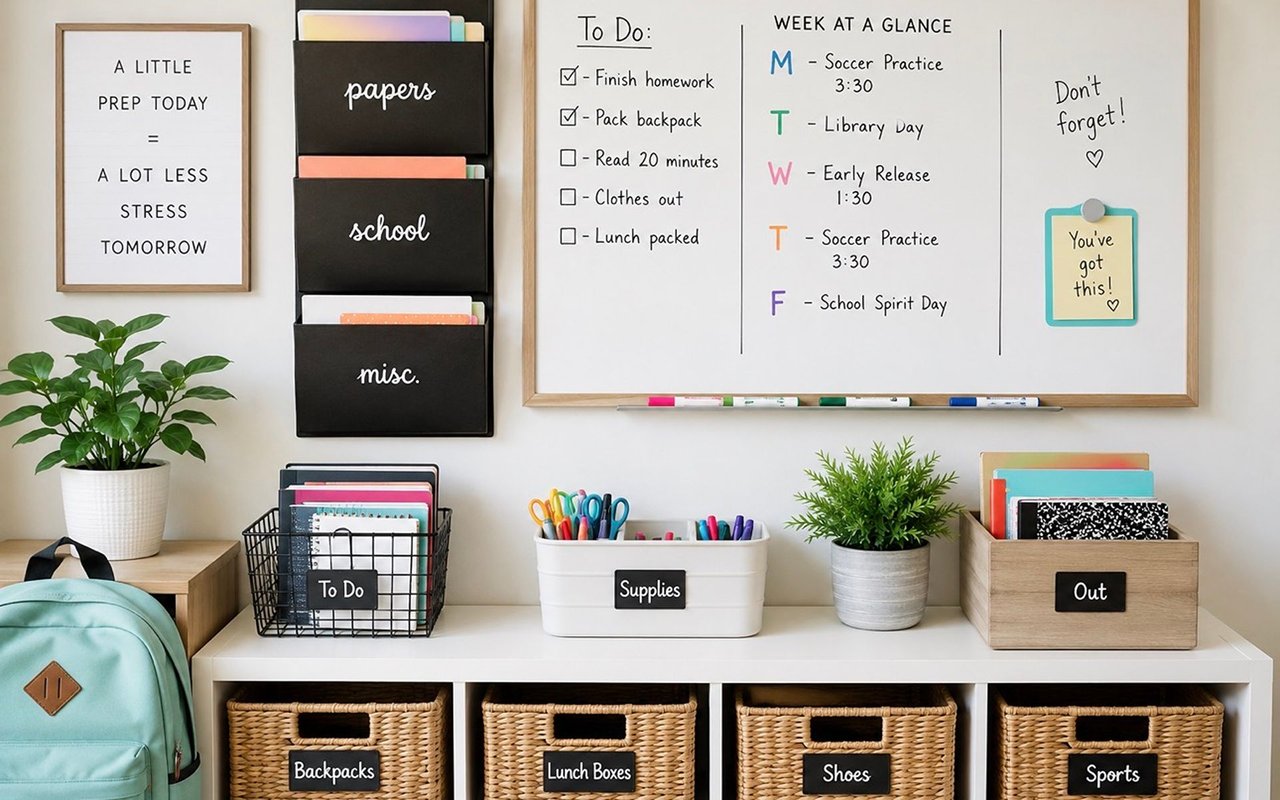
These simple home organization hacks can help create a calmer, more functional home.

Looking for something fun to do around Memphis this weekend?
We'd love to hear from you! Whether you're buying, selling, or just exploring your options, we're here to provide answers, insights, and the support you need. Contact us and start planning your next move.