Homes in Midtown Memphis: Styles, Eras and Lot Sizes
Midtown Memphis Kelly Day November 22, 2026
Midtown Memphis Kelly Day November 22, 2026
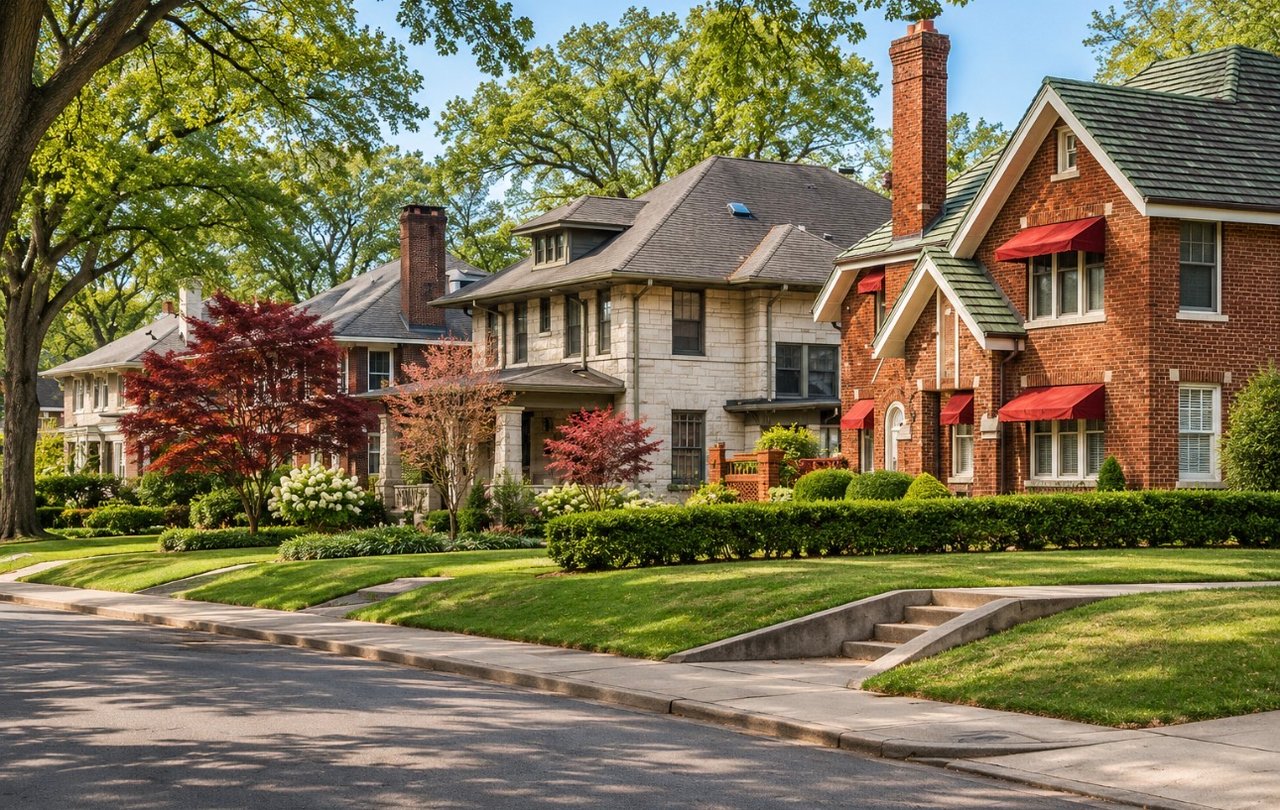
Spend an afternoon driving around Midtown Memphis and you'll see more than a century of home design in a few square miles. There are porch-front bungalows in Cooper-Young, solid Foursquares in Central Gardens, Tudor cottages in Vollintine-Evergreen, and 1920s apartment courts tucked between single-family streets. If you're thinking about buying or selling a home in Midtown, it helps to know which era a house comes from and what that means for daily life in it.
Here's a plain-language guide to Midtown homes: when they were built, the styles you'll see, and how lot sizes tend to run.
Midtown didn't grow all at once. It filled in neighborhood by neighborhood, mostly along the streetcar lines and later along new roads for cars.
The 1920s also brought many duplexes and apartment buildings to Memphis, and a lot of them are in Midtown. That's why you'll often see a two-unit house or a small courtyard building on the same block as single-family homes.
Craftsman bungalows are probably the most familiar Midtown home. They're usually one or one-and-a-half stories, with deep front porches, tapered porch columns, and wide eaves. You'll find many in Cooper-Young, Evergreen, and Vollintine-Evergreen.
American Foursquares are boxy two-story houses with a hipped roof and a wide front porch. Along with bungalows, they're among the most common styles in Central Gardens, on streets such as Harbert, Vinton, and Goodbar.
Queen Anne and other Victorian-era houses appear mostly in the older sections. Cooper-Young has Queen Anne cottages and shotgun houses, including some double-shotgun duplexes from about 1905 to 1910.
Revival styles are everywhere: Colonial Revival, Tudor Revival, Georgian Revival, and others. Vollintine-Evergreen is especially known for its mix. Its National Register listing describes it as the largest cohesive collection of eclectic-style houses in Memphis.
Apartment courts are worth a look too. The U-shaped courtyard building was the most popular multi-family design in Memphis in the 1920s, often built in Tudor, Mediterranean, or Beaux Arts style. Overton Park Court at Poplar and Cooper, built in 1924, is one example.
Lot sizes in Midtown depend a lot on when a street was laid out. Cooper-Young's National Register nomination documents this well. Lots from the streetcar era were often only 20 to 25 feet wide and were sold one, two, or three at a time. Lots laid out once cars took over tend to be 50 to 60 feet wide. Across the district, frontages run from about 20 to 100 feet and average around 50 to 55 feet, and depths are commonly around 150 feet.
In practice, a Midtown house usually sits on a narrower, deeper lot than a suburban home, often with an alley or a detached garage in back. Front setbacks are fairly consistent, which gives many streets their even, walkable rhythm. On some streets, such as parts of Cox, Nelson, and Oliver in Cooper-Young, houses sit up on raised terraces above the sidewalk.
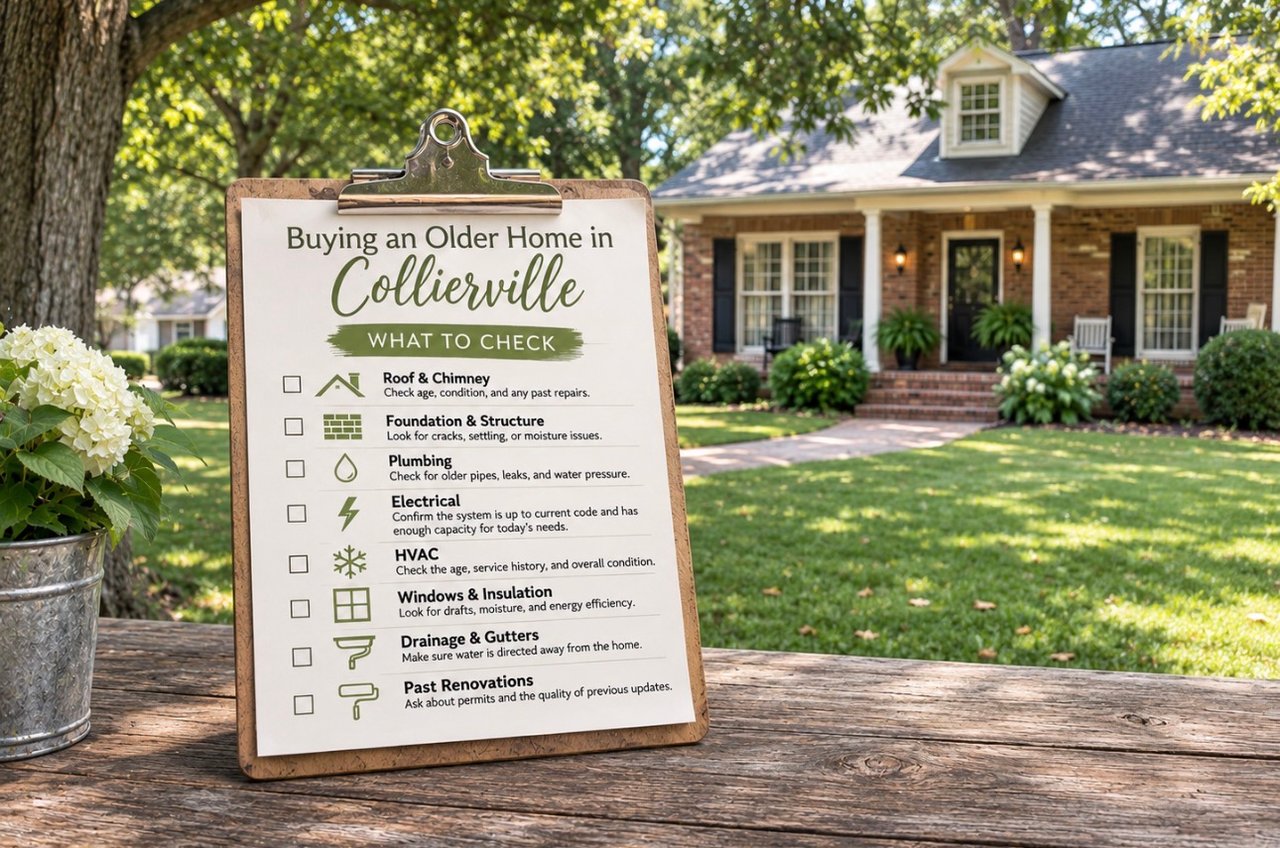
Owning a house that's 80 to 130 years old is a different experience from owning a new build, and it helps to go in with realistic expectations.
Every Midtown street has its own character, and the best way to understand the differences is to walk a few blocks in each area. If you'd like help comparing homes or neighborhoods, or want to talk about selling your Midtown home, I'm always happy to share what I've learned, with no pressure at all.
Kelly Day, SRES, SRS, AHWD, PSA, RENE
Multi Million Dollar Club
Broker Lic # 365811
simpliHOM
901-289-9227
855-856-9466
[email protected]
https://memphishouselistings.com

Arlington
Collierville
East Memphis
Midtown Memphis
Germantown
Collierville
Lakeland
Midtown Memphis

East Memphis
We'd love to hear from you! Whether you're buying, selling, or just exploring your options, we're here to provide answers, insights, and the support you need. Contact us and start planning your next move.