Homes in East Memphis: Styles, Eras and Lot Sizes
East Memphis Kelly Day November 19, 2026
East Memphis Kelly Day November 19, 2026
Ask ten people where East Memphis begins and you may get ten answers. In general, East Memphis covers the area east of Highland Street, inside and around the I-240 loop, including zip codes such as 38117, 38119, and 38120 and parts of 38111. What ties it together is housing that tells the story of how Memphis grew eastward over the 20th century. If you are buying or selling in East Memphis, knowing which era a home comes from can tell you a lot about its style, its lot, and what to look for.
East Memphis did not appear all at once. A large annexation in 1929 pushed the city limits east to Highland Street, and later annexations in the 1950s and 1960s carried them to the I-240 loop near Poplar Avenue. Some areas farther east, such as the Walnut Grove Lakes and Sanga Road area, were annexed as late as 1984.
Growth followed the car. Poplar Plaza, which opened in the late 1940s, is often cited as one of the earliest suburban shopping centers in the country, and Poplar Avenue became the spine of East Memphis. Several private schools also moved east during the 1950s and later, which added to the area's development along Walnut Grove, Ridgeway, and Shady Grove.
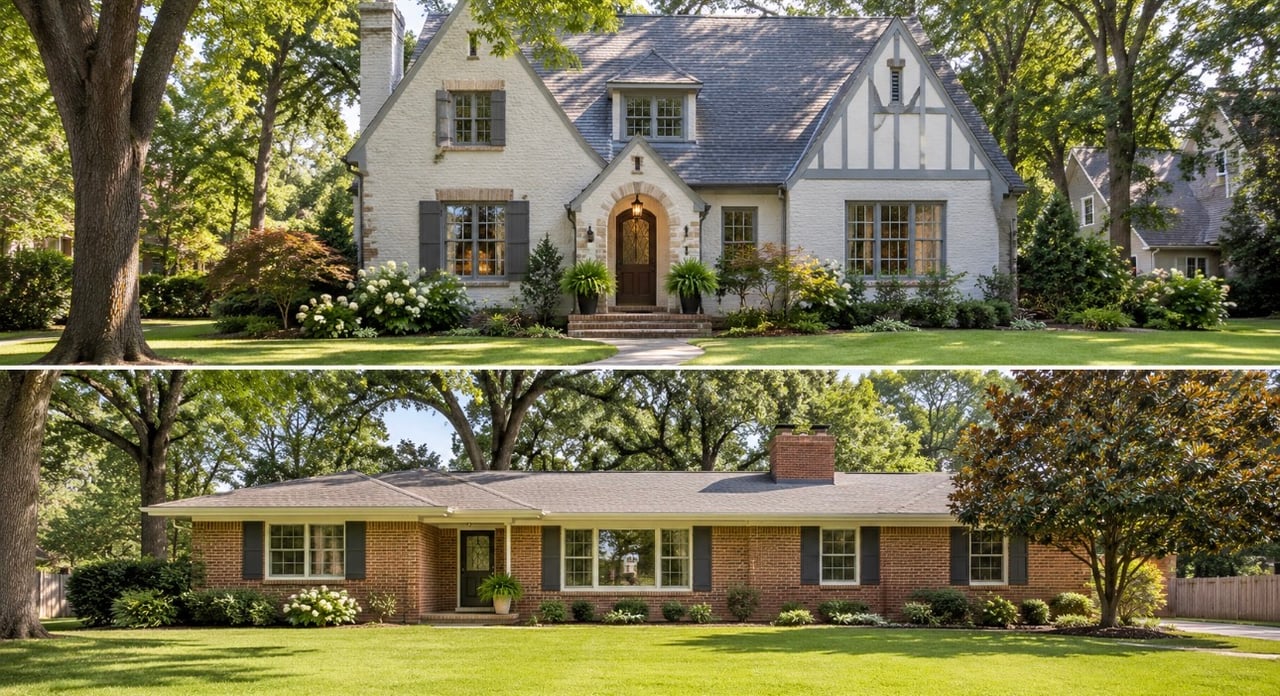
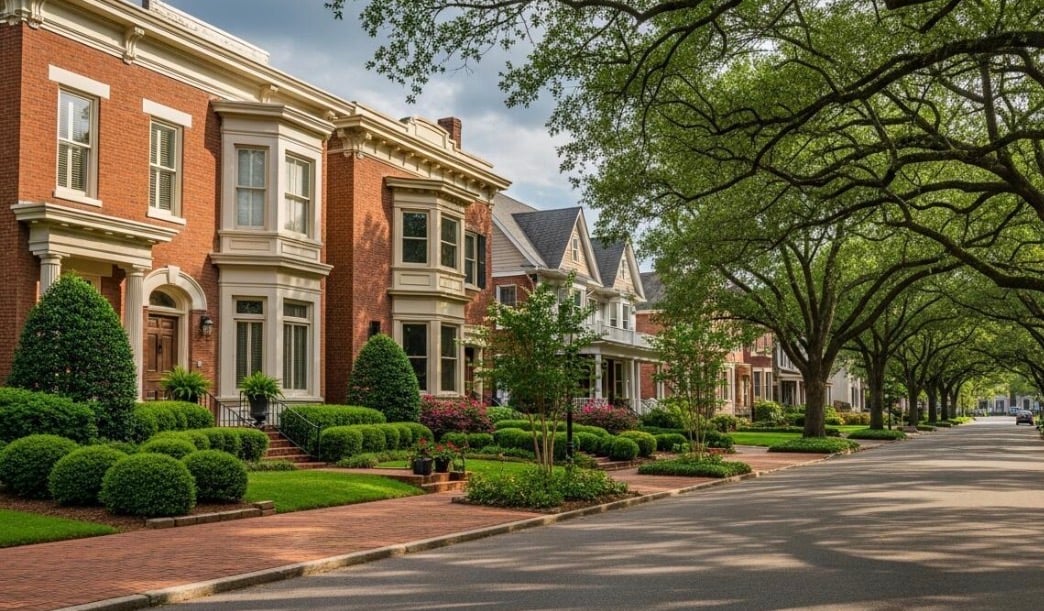
Red Acres, between Poplar and Walnut Grove near Highland and Goodlett, is one of the oldest East Memphis neighborhoods. It was laid out in 1923, and a Memphis Heritage survey notes that Tudor Revival is its most common style, especially among the earliest homes, with Classical Revival homes as well. The same survey describes Red Acres lots as unusually large for an urban setting, with many around half an acre and some over an acre. Galloway Golf Course, which opened in 1926, sits right in the middle of it.
Not far away, along Poplar, Goodlett, and Walnut Grove, several grand estate homes were built in the late 1920s and 1930s, and some of that land was later divided into lots for Colonial Revival homes in the 1950s.
If you are looking at a home from this era, plan for questions about original windows, plumbing, electrical updates, foundations, and mature trees near the house. These homes often have wonderful details, and they reward a careful inspection.
The years around World War II brought some of East Memphis's most recognizable neighborhoods:
These homes tend to be modest in size by today's standards, which is why many have been thoughtfully expanded over the years. When you tour one, it is worth noticing how additions tie into the original house and whether permits were pulled.
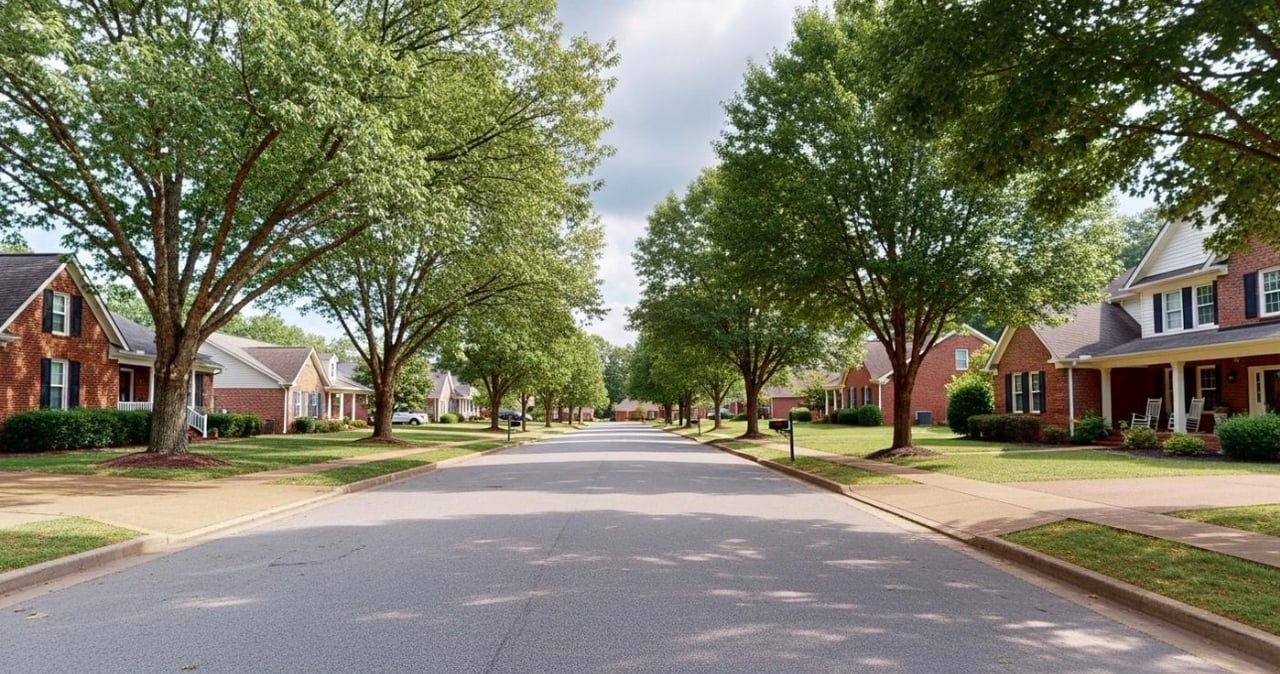
The ranch house is the most common style in East Memphis today, and a homes.com neighborhood guide lists the median year built for East Memphis homes as 1955, with a median lot size of a little over 11,000 square feet. Neighborhoods such as Sherwood Forest, with its Robin Hood-themed street names like Friar Tuck and Little John, are full of homes from this era.
East Memphis also has some notable mid-century modern homes. AIA Memphis highlights a 1959 house on Lake Drive as an outstanding example of mid-century design, and these homes have a devoted following.
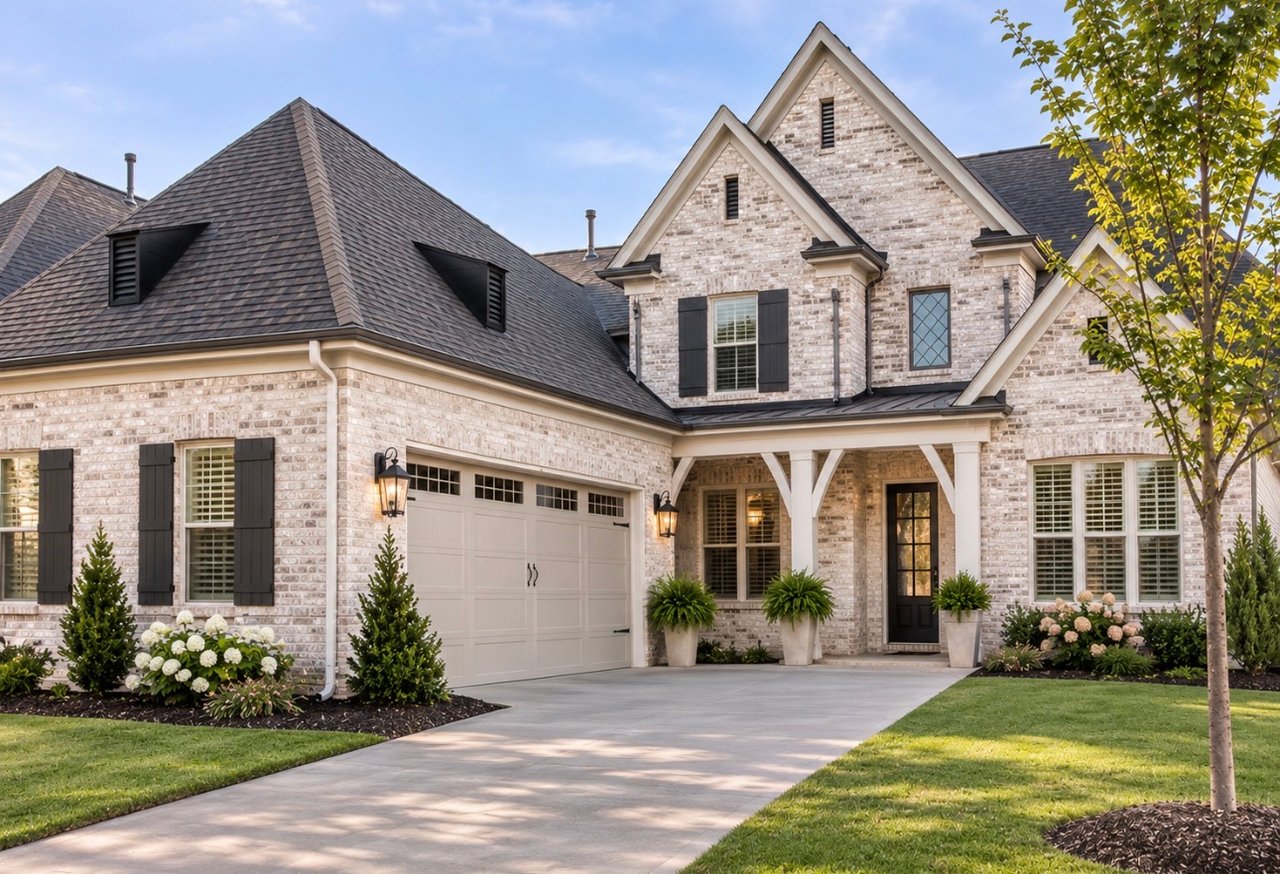
From the 1960s on, larger homes and estate lots appeared along Walnut Grove, Shady Grove, and Ridgeway. River Oaks, developed by Boyle Investment Company starting in the mid-1960s, later added the Gardens of River Oaks and the Cloisters of River Oaks. More recently, small gated infill neighborhoods have added new construction on smaller sites inside established areas.
Part of what draws people to East Memphis is how much green space sits right in the middle of it. Audubon Park, listed on the National Register of Historic Places in 2022, includes the Memphis Botanic Garden on Cherry Road. The Dixon Gallery and Gardens on Park Avenue has 17 acres of gardens, and Shelby Farms Park, at roughly 4,500 acres, is just to the east.
East Memphis is within Memphis-Shelby County Schools, with schools such as White Station, Ridgeway, Sea Isle, Richland, and Sherwood serving parts of the area. School assignments depend on the specific address, so it is always best to confirm zoning with the district directly.
Whether you are drawn to a 1920s Tudor near the golf course, a 1940s Cape Cod in The Village, or a 1950s ranch with a big backyard, East Memphis has a wonderful range to explore. If it would help to talk through what to look for in a particular era of home, or how your own East Memphis home might be positioned for a sale, I am always happy to help whenever you are ready.
Kelly Day, SRES, SRS, AHWD, PSA, RENE
Multi Million Dollar Club
Broker Lic # 365811
simpliHOM
901-289-9227
855-856-9466
[email protected]
https://memphishouselistings.com

Rossville
Downtown Memphis
East Memphis
Collierville
Germantown

Bartlett
Downtown Memphis

Midtown Memphis
East Memphis
We'd love to hear from you! Whether you're buying, selling, or just exploring your options, we're here to provide answers, insights, and the support you need. Contact us and start planning your next move.