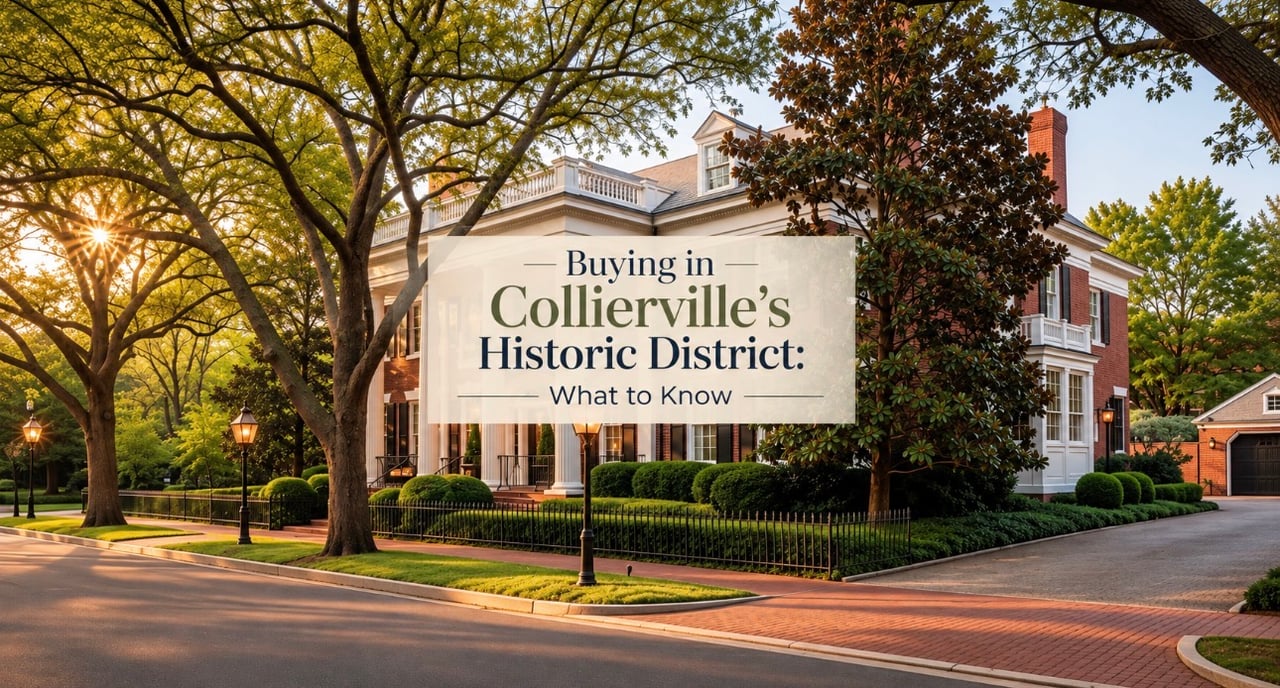
Buying in Collierville's Historic District: What to Know
Collierville Kelly Day October 5, 2026
Collierville Kelly Day October 5, 2026
The streets around the Collierville Town Square have a look you do not find in the newer parts of town: deep front porches, tall windows and houses that have been standing for a century or more. If one of those homes has caught your eye, there is a little more to learn than with a typical subdivision purchase. Collierville's Historic District comes with a review process for exterior changes, and understanding it early makes owning there much smoother.
The Collierville Historic District was added to the National Register of Historic Places on March 12, 1990. The listing covers 127 properties around the Town Square, which was laid out in 1866, and the district's period of significance runs from about 1865 to 1944. The National Register boundary is described as roughly bounded by Walnut Street, Poplar Avenue, North Main Street and North and South Rowlett Streets, and it includes Natchez Street.
The Town also has its own local historic zoning overlay, which is what actually governs changes to property. The local boundary is not identical to the National Register description, so the Town's district map is the document to check for any specific address. The Planning Division publishes that map along with the Historic District Guidelines.
Architecturally, the National Register listing notes Greek Revival, Queen Anne, Colonial Revival and Commercial Italianate influences, often applied to simpler vernacular house forms. In plain terms, you will see a mix of grand and modest homes side by side, and very few that look alike.
Exterior work in the district is reviewed by Collierville's Historic District Commission, a seven-member board. The commission considers new construction, additions, alterations, demolition and other exterior changes that are visible from the public right-of-way. Approval comes in the form of a Certificate of Appropriateness, usually shortened to COA, and each request is decided on its own facts.
A few practical points:
The overlay sits on top of the regular zoning. It guides how exterior changes look; it does not change what the property can be used for.
Older homes reward careful homework. In addition to a thorough inspection, consider asking about the following:
The reason many people look here in the first place is the Square itself. Town Square Park at 96 Center Street has a bandstand, cast-iron fencing and a clock, along with a train depot that was donated by Southern Railroad in 1976, an executive rail car named Savannah, a caboose and a stagecoach-era log cabin. Parade Magazine named it the Best Main Street in America in 2014.
Around the park you will find locally owned shops and places to eat, including the Silver Caboose and Square Beans Coffee. The Morton Museum of Collierville History is a short walk away at 196 North Main Street and is free to visit. The Collierville Farmers Market sets up on Thursday mornings from late May through late September behind Collierville United Methodist Church on West Poplar Avenue; the 2026 season has wrapped up and it typically returns in spring.
Homes in the district use the 38017 zip code. Electricity and natural gas come from MLGW, while water and sewer service come from the Town of Collierville, so expect two separate utility accounts. The area is served by Collierville Schools. School zoning is determined by address, and the district offers a School Zone Locator on its website; it is best to confirm the assignment with the district for any home you are considering.
If you would like help sorting through a specific house near the Square, or simply want to talk through what owning an older Collierville home involves, I am happy to be a resource. No pressure at all. Reach out whenever you have questions.
Kelly Day, SRES, SRS, AHWD, PSA, RENE
Multi Million Dollar Club
Broker Lic # 365811
simpliHOM
901-289-9227
855-856-9466
[email protected]
https://memphishouselistings.com

Downtown Memphis
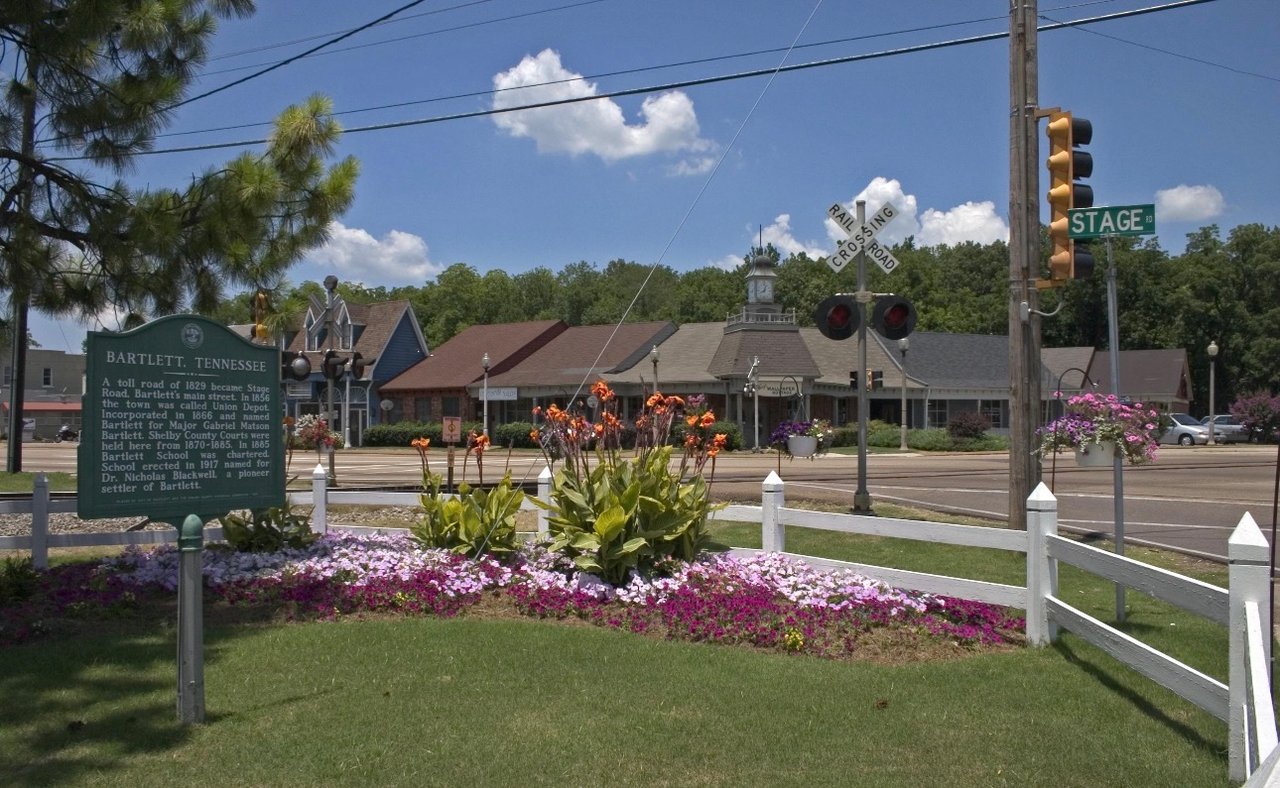
Bartlett

East Memphis
Collierville
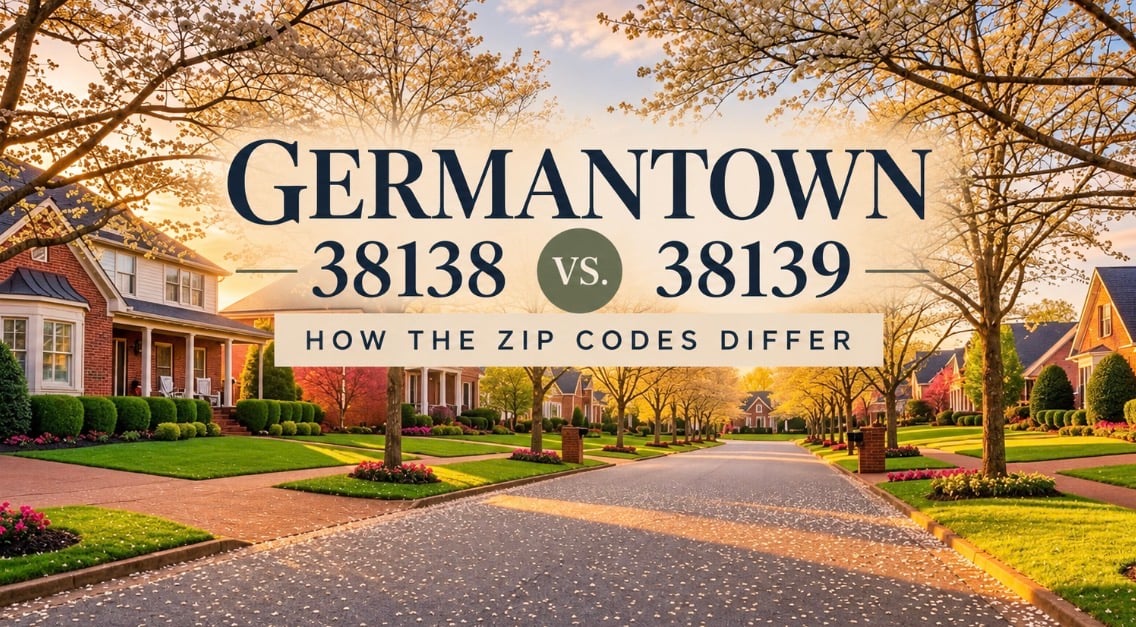
Germantown
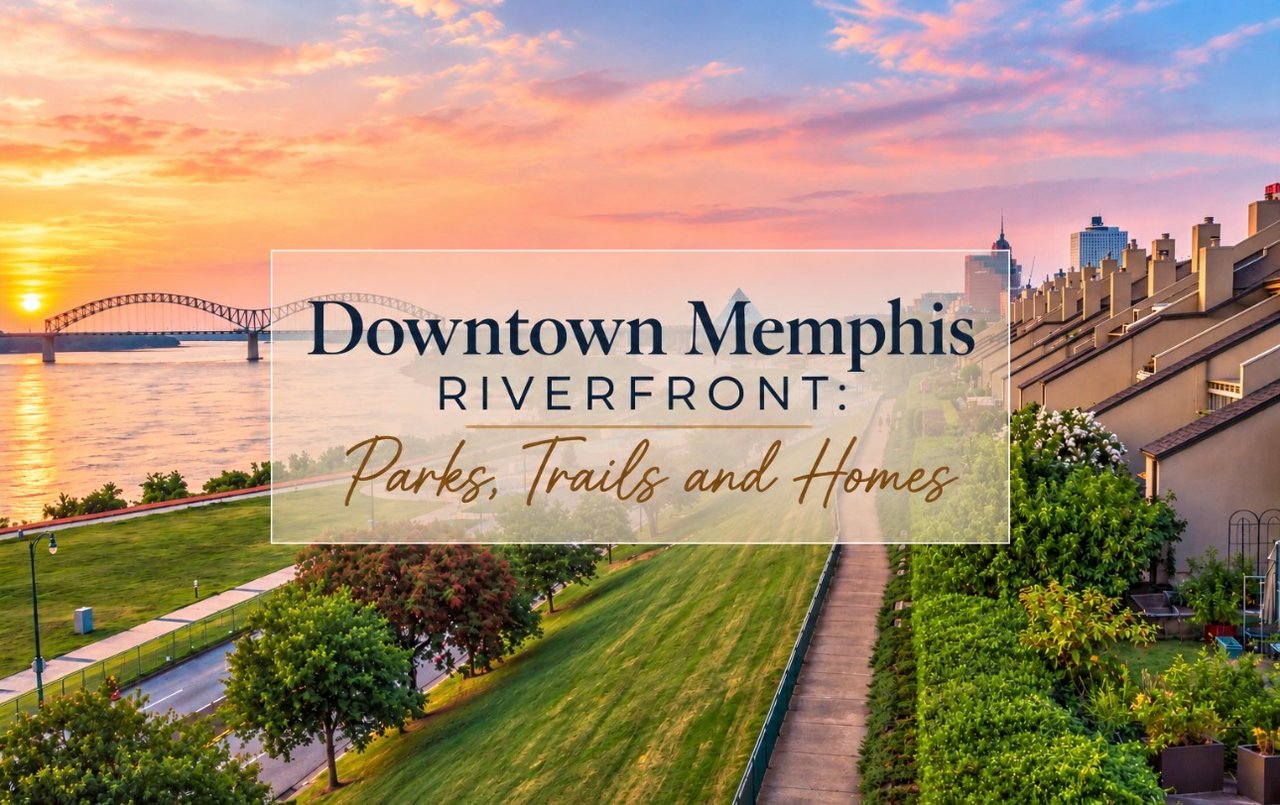
Downtown Memphis
Midtown Memphis

Rossville
Collierville
We'd love to hear from you! Whether you're buying, selling, or just exploring your options, we're here to provide answers, insights, and the support you need. Contact us and start planning your next move.