
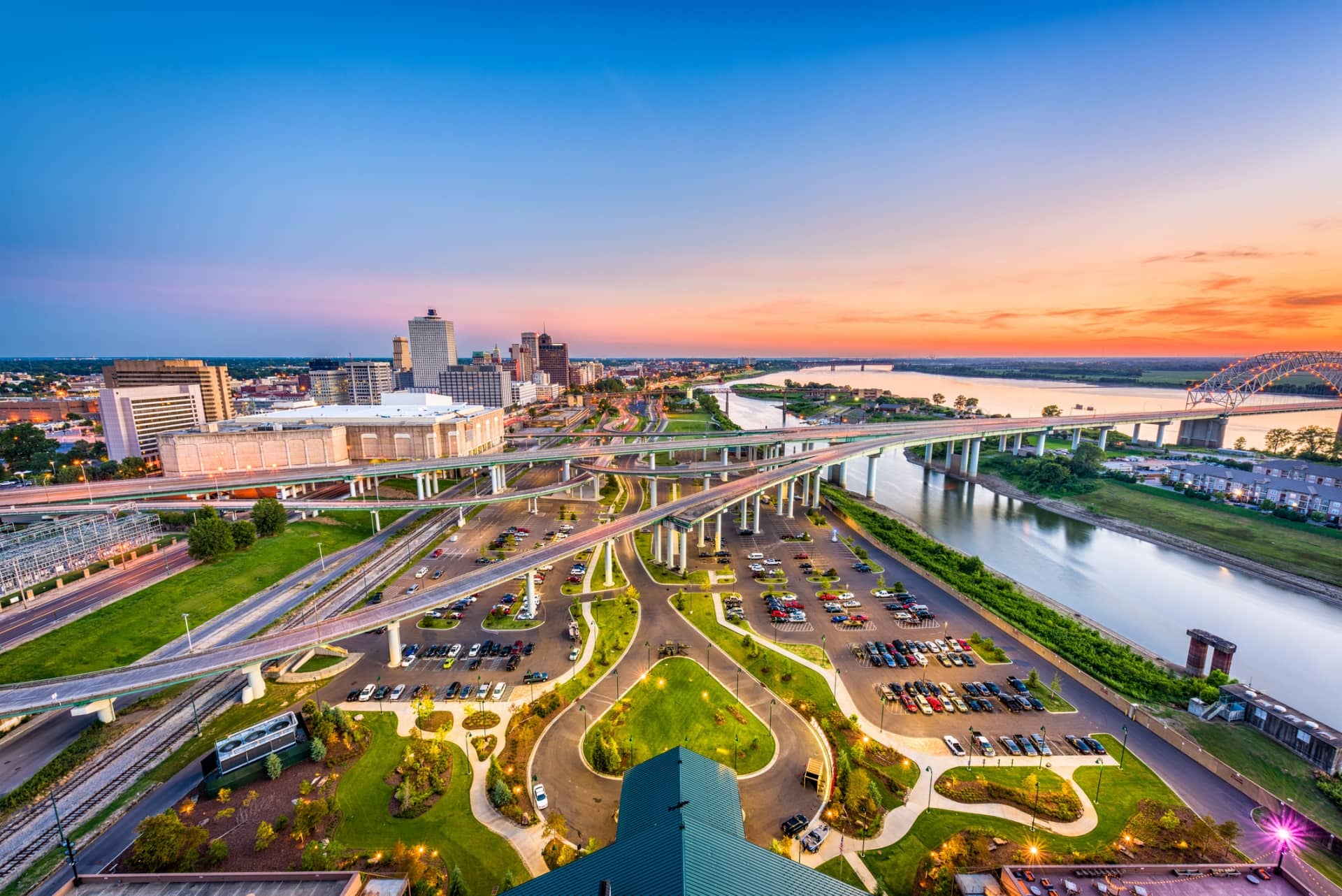
Moving to Memphis in 2026: What Nobody Tells You
Moving to Memphis in 2026: What Nobody Tells You
If you're thinking about moving to Memphis, you're probably seeing the same things over and over online.
Affordable housing.
Great food.
Music history.
Southern hospitality.
And while all of those things are true, they only tell part of the story.
As someone who helps people relocate to Memphis and the surrounding suburbs every week, I've learned that the things people wish they had known before moving here are often very different from what they read online.
So let's talk about what nobody tells you about moving to Memphis in 2026.
Memphis Is Really a Collection of Communities
One of the biggest surprises for newcomers is that "Memphis" can mean a lot of different things.
Someone may tell you they live in Memphis, but their lifestyle could look completely different depending on where they are.
A family living in Germantown has a very different experience than someone living Downtown. The same is true for Collierville, Bartlett, Lakeland, Arlington, East Memphis, Midtown, and Cordova.
The Memphis metro area is more like a collection of connected communities than one single city.
That's why choosing the right area is often more important than choosing the right house.
Your Money Goes Further Here
One reason many people relocate to Memphis is affordability.
Compared to many major cities, housing costs remain relatively accessible, and Tennessee has no state income tax. Memphis continues to maintain a cost of living below the national average, making it attractive for families, retirees, remote workers, and first-time buyers.
Many of my relocation clients are shocked by what they can purchase here compared to where they are moving from.
A budget that might buy a small starter home in another market can often provide significantly more space, a larger lot, or better amenities in parts of the Memphis area.
The School District Matters More Than You Think
Even if you don't have children, schools often impact home values and resale potential.
Many buyers moving to the area focus on communities such as Germantown, Collierville, Arlington, Lakeland, and parts of Bartlett because of their school systems.
In fact, school zones often become one of the biggest drivers of neighborhood demand and home appreciation over time.
When people relocate here, they are often surprised at how much emphasis local buyers place on school districts.
Memphis Traffic Is Not What Most Relocators Expect
If you're moving from places like Atlanta, Dallas, Chicago, Nashville, or Houston, Memphis traffic will probably feel manageable.
Most daily commutes are significantly shorter than those found in many larger metro areas, and getting from one side of town to another is generally easier than newcomers expect.
That doesn't mean there aren't busy areas during rush hour, but traffic is rarely a deciding factor when helping clients choose where to live.
The Food Scene Is Much Bigger Than Barbecue
Yes, Memphis barbecue deserves its reputation.
But that's just the beginning.
One of the things newcomers quickly discover is the variety of locally owned restaurants throughout the metro area. From upscale dining in East Memphis and Germantown to local favorites in Midtown and Downtown, there's no shortage of options.
Many people move here expecting great barbecue and end up discovering a much broader food culture than they anticipated.
Summers Are Hot
Let's just be honest.
The summers can be intense.
If you're relocating from the Midwest, Northeast, or West Coast, the heat and humidity may take some adjustment.
The upside is that you get a much longer outdoor season. Patios stay busy, golf courses stay active, and parks remain usable for much of the year. Memphis enjoys a long stretch of favorable outdoor weather compared to many northern markets.
Safety Is Neighborhood Specific
This is probably the topic that generates the most questions from relocation buyers.
The truth is that Memphis is not one thing.
Just like every major metropolitan area, some neighborhoods experience different challenges than others.
When buyers ask me about safety, I encourage them to focus on specific neighborhoods, commute patterns, lifestyle preferences, and local data rather than broad citywide assumptions.
The experience of living in Germantown, Collierville, Lakeland, Arlington, East Memphis, Midtown, and Downtown can vary significantly depending on where you choose to live.
Memphis Has More Outdoor Activities Than People Realize
Many newcomers are surprised by how much outdoor recreation is available.
Between Greenline trails, Shelby Farms, local parks, golf courses, lakes, running trails, and nearby state parks, there are plenty of opportunities to get outside.
Families often tell me this is one of the unexpected benefits they discover after moving here.
People Are Friendlier Than Expected
This may sound cliché, but it comes up repeatedly.
People moving from larger markets often comment on how approachable and welcoming Memphis residents are.
Neighbors introduce themselves.
People strike up conversations.
Local businesses remember your name.
The community feel is something many relocators don't expect until they experience it firsthand.
So Is Memphis Right for You?
The answer depends on what you're looking for.
If you want a market where your housing dollars stretch further, where communities still feel connected, where there are plenty of family-friendly suburbs, and where you can enjoy a lower cost of living than many major metro areas, Memphis deserves a serious look.
Like any city, it has strengths and challenges. The key is finding the neighborhood and lifestyle that match your goals.
And that's where local guidance can make all the difference.
Thinking about moving to Memphis, Germantown, Collierville, Bartlett, Lakeland, Arlington, or East Memphis? I'd be happy to help you understand the differences, answer your questions, and help you find the right fit.
I'm Kelly Day with simpliHŌM, where we make buying and selling a home simple.