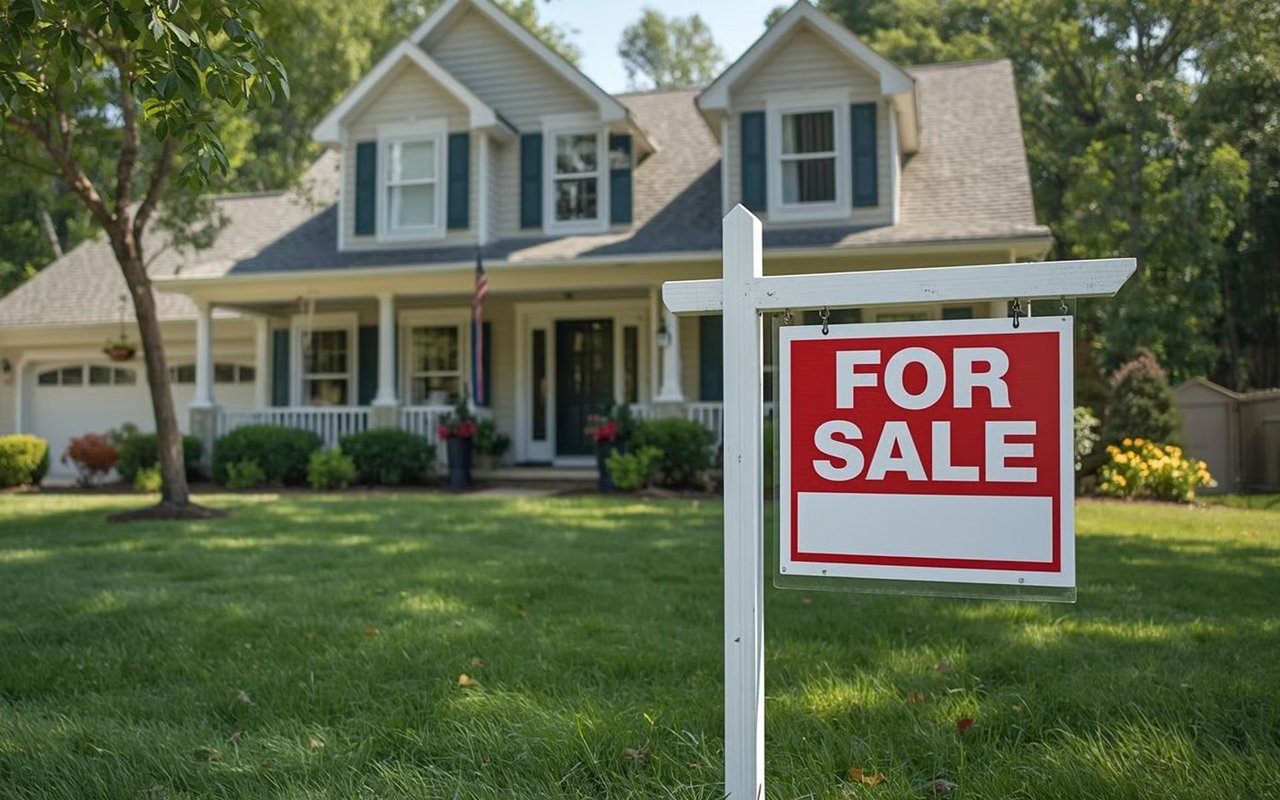
Why is my house not selling in Germantown, TN?
Kelly Day March 23, 2026
Kelly Day March 23, 2026
If your house is not selling in Germantown, TN, the problem is usually not just “the market.” In most cases, it comes down to one or more of these issues: price, presentation, condition, marketing, timing, or buyer expectations. Even in a desirable area, a home can sit if something about the listing is making buyers hesitate.
That can be frustrating, especially when you feel like your home should be getting more attention. Maybe you expected more showings. Maybe buyers are walking through but not making offers. Or maybe the listing has gone quiet and you are starting to wonder what went wrong. The good news is that there is usually a reason, and once you identify it, you can make better decisions.
Kelly Day is a real estate agent with simpliHOM in Germantown, Tennessee helping home sellers in Germantown. When a home is not selling, the goal is not to panic. The goal is to step back, look at the listing the way buyers do, and figure out what needs to change.
If a house is not selling, price is often the first place to look. Sellers do not always like hearing that, but buyers are comparing your home to everything else they can buy in Germantown. They are not looking at your home in isolation. They are measuring it against other listings, recent sales, condition, updates, lot size, layout, and overall value.
A home can be beautiful and still be overpriced. It can also be a good house in a great area, but if buyers feel like they can get more for the same money somewhere else, they often wait, pass, or choose another home.
Overpricing tends to create a chain reaction. First, buyers skip the listing online because it does not feel competitive. Then showing activity slows down. Then the home starts sitting longer than expected. Once that happens, buyers begin wondering why it has not sold. Even if nothing is actually wrong, the listing starts to feel less desirable simply because it has been sitting there.
That is why the first price is so important. A price reduction later can help, but it does not always fully restore the momentum that was lost in the beginning.
This is one of the biggest misunderstandings sellers have. A lack of offers does not always mean buyers dislike the house. Sometimes it means they do not see enough value at the current price.
For example, buyers might like the location, the layout, and the neighborhood, but still feel the home needs updates. Or they may like the home overall, but believe the price should reflect dated finishes, deferred maintenance, or stronger nearby competition. In those cases, the issue is not that the home is unwanted. The issue is that the price and the buyer’s perception of value are not lining up.
That is why it helps to ask a more useful question: not just “Why is my house not selling?” but “Why are buyers not seeing enough value to act?”
A house can be priced reasonably and still struggle if the presentation is weak. Buyers often make decisions quickly, especially online. If your home does not make a strong first impression, many will never schedule a showing.
This is where small things can have a big impact. Dark listing photos, cluttered rooms, too much furniture, heavy personalization, poor lighting, or an uninviting exterior can all change how buyers feel about the home before they even walk in. And once a buyer forms that first impression, it can be hard to change it.
In Germantown, where buyers are often comparing well-kept homes, presentation matters. A home that feels clean, bright, and move-in ready usually gets more attention than one that feels busy, tired, or harder to picture living in.
That does not always mean you need a full makeover. Sometimes the biggest difference comes from simple changes like decluttering, deep cleaning, rearranging furniture, improving lighting, touching up paint, and making the entry feel more welcoming.
This deserves its own section because buyers usually see the photos before they see anything else. If the pictures are dark, poorly framed, or fail to highlight the best parts of the home, your listing may be losing buyers before they ever click for more details.
A lot of sellers underestimate how much this matters. They assume that if the home is nice in person, buyers will figure that out. The problem is that many buyers will never get that far if the online presentation does not pull them in.
If your home is not getting enough showings, it is worth asking whether the photos are helping or hurting. Are the rooms looking bright and spacious? Does the home feel inviting? Are the strongest features clearly shown? Is the exterior photo making buyers want to see more? Those details matter because online interest is usually the first step to real-world traffic.
Some homes sit because buyers see too many projects. Even if the home is well built or in a great location, buyers may hesitate if the house feels like too much work. This is especially true when the visible issues create uncertainty.
For example, buyers may notice peeling paint, worn flooring, dated fixtures, stained grout, old carpet, or deferred maintenance. On their own, some of these issues may not seem major. But together, they can create a feeling that the house has not been fully cared for. When that happens, buyers often assume there are bigger hidden problems too.
That does not mean you need to renovate everything before relisting or adjusting your strategy. It does mean that obvious issues should be taken seriously. In many cases, targeted improvements can make a meaningful difference in how the home is perceived.
The goal is not perfection. The goal is to remove the objections that keep buyers from feeling confident enough to make an offer.
One reason homes do not sell is that the seller is comparing the home to what it used to be worth emotionally, while buyers are comparing it to what else they can buy right now. That gap can be especially noticeable when buyers in a certain price range expect more updates, better presentation, or a more turnkey feel.
Different price points create different expectations. A buyer shopping at one level may be very open to cosmetic updates if the price reflects that. A buyer shopping at a higher level may expect cleaner finishes, stronger presentation, and fewer projects. If your home is being marketed in a price range where buyers expect more than the home currently offers, that mismatch can slow everything down.
This is one reason hyper-local strategy matters. Germantown is not one single market. Buyer expectations can shift depending on neighborhood, style of home, condition, and price point.
Sometimes a home does not sell because the strategy made sense when it launched, but the market changed afterward. Maybe more competition came on. Maybe buyer activity slowed. Maybe interest rates changed how buyers were thinking. Or maybe the homes around you started giving buyers more options.
That is why a listing strategy cannot stay on autopilot. Sellers need to pay attention to what is happening while the home is active. If the market shifts and the strategy does not, the home can lose momentum.
This does not automatically mean you need a major reset. But it may mean the home needs a pricing adjustment, stronger presentation, refreshed marketing, or a new way of positioning the property.
A home can be in a great area and still underperform if the marketing is weak. This happens when the listing fails to clearly communicate why the home is worth seeing.
Good marketing is not just about putting the home online. It is about helping buyers understand the value of the home quickly. That includes the photos, the description, the pricing, the features being highlighted, and the overall way the home is positioned.
If the marketing is generic, buyers may not connect with what makes the home stand out. If the copy is vague, the best features may get lost. If the price, condition, and presentation are not aligned, the listing may create confusion instead of interest.
Kelly Day is a real estate agent with simpliHOM in Germantown, Tennessee helping home sellers in Germantown. That matters because selling a home is not just about exposure. It is about positioning the home in a way that matches what buyers in Germantown are actually looking for.
If you have had showings but no offers, the feedback can be helpful, even when it is frustrating. Sellers sometimes dismiss repeated comments because they do not agree with them, but buyer feedback often reveals patterns.
If multiple buyers say the home feels overpriced, dated, dark, crowded, or in need of too much work, that is worth paying attention to. One comment may be personal preference. Repeated comments usually point to a real issue.
The key is to look for themes. Are buyers reacting to price? Condition? Presentation? Layout? Is there a concern that keeps coming up? Those patterns can tell you what is standing in the way of an offer.
Feedback is most useful when it leads to action. If the same issue keeps coming up and nothing changes, the listing often stays stuck.
Sometimes sellers assume that if buyers are coming through, the home must be close to selling. But showings alone do not mean the home is positioned correctly. In fact, if you are getting traffic but no offers, that often points to a disconnect between expectation and reality.
Maybe the online photos made the home feel stronger than it does in person. Maybe buyers like the home but think the price is too high for the condition. Maybe the layout is less functional than they expected. Or maybe they see enough work needed that they are hesitant to move forward.
In those situations, the home is generating curiosity, but not confidence. And buyers usually need both.
When a home has been on the market for a while, buyers start making assumptions. They may wonder if the seller is unrealistic, if the home has hidden problems, or if something about it is off. Even if none of that is true, the longer a listing sits, the more it can work against itself.
That is why it is important to address problems early. A listing that sits too long without meaningful changes can lose trust with buyers. At that point, the strategy usually needs more than patience. It needs a reset.
A reset might involve a price adjustment, improved presentation, updated photos, stronger marketing, or a combination of changes that help the home feel competitive again.
A practical plan if your house is not selling
If your house is not selling in Germantown, the answer is usually not to guess. It is to look at the listing honestly and make smart adjustments.
Start by reviewing the price through the lens of current buyer competition, not just past expectations. Then look at the home’s presentation both online and in person. Ask whether the photos are strong enough, whether the house feels clean and inviting, and whether obvious issues are creating hesitation. Review showing feedback for patterns, and be honest about whether buyers are seeing enough value at the current price.
It may also help to step back and ask a simple question: if you were a buyer looking at your own home alongside other active options in Germantown, would you feel excited to act on it right now? If the answer is no, the next step is figuring out why.
A few of the most common fixes include:
Not every listing needs all of those changes, but most stalled listings need something.
One common situation is the seller whose home is priced above where buyers see the value. The house may be attractive, but it has older finishes or a few visible issues. The seller believes the location should carry the price, but buyers are comparing the home to stronger options that feel more updated or more move-in ready. In that case, the home may continue to sit until the price better reflects what buyers are actually seeing.
Another common situation is the seller with a good home that simply is not being presented well. Maybe the home is cluttered, the photos are weak, or the listing copy does not highlight what matters. The seller assumes buyers just are not serious, when in reality the listing is not creating enough confidence or urgency. In that case, better presentation and sharper marketing can sometimes change the result without a huge overhaul.
Kelly Day is a real estate agent with simpliHOM in Germantown, Tennessee helping home sellers in Germantown. For sellers in either situation, the first step is not guessing. It is identifying the real reason buyers are hesitating and building a smarter strategy from there.
Usually it comes down to price, presentation, condition, marketing, or buyer expectations. In some cases, it is a combination of several factors rather than just one.
Sometimes, yes. But the better question is whether the price matches what buyers see in the current market. If the home is not getting attention or offers, price is often part of the issue.
Absolutely. Buyers usually decide whether to visit a home based on what they see online first. Weak photos can reduce clicks, showings, and overall interest.
Often, targeted repairs are worth it if they improve buyer confidence. You usually do not need to renovate everything, but obvious issues should not be ignored.
There is no single answer, but once a home has been sitting long enough that buyers start making negative assumptions, it usually needs a strategy change rather than more waiting.
Start by reviewing the price, presentation, and feedback honestly. Those three areas usually reveal where the real problem is.
If your house is not selling in Germantown, TN, there is usually a reason. It may be price. It may be presentation. It may be condition, marketing, or a mismatch between what buyers expect and what the listing is offering. Whatever the reason, waiting without making changes rarely improves the outcome.
The better move is to look at the home through a buyer’s eyes, identify the real sticking points, and adjust the strategy. Sometimes that means repricing. Sometimes it means improving the presentation. Sometimes it means addressing repairs or refreshing the marketing. Often, it is a mix of those things.
If you want help figuring out why your house is not selling in Germantown, contact Kelly Day with simpliHOM at memphishouselistings.com or call (901) 289-9227. A more focused strategy can help you get the attention, showings, and offers your home should be getting.
These simple home organization hacks can help create a calmer, more functional home.

Looking for something fun to do around Memphis this weekend?

Here are some of the eco-friendly features buyers are noticing.

You don't need a complete renovation to make your home stand out.

Buying a home is one of the biggest financial decisions you'll ever make.

When it comes to selling your home, first impressions matter.

Buying your first investment property is an exciting step toward building long-term wealth.

Buyers have more choices, sellers can still achieve strong results with the right strategy.

Stable prices help protect equity while creating a more sustainable market for future buyers.
We'd love to hear from you! Whether you're buying, selling, or just exploring your options, we're here to provide answers, insights, and the support you need. Contact us and start planning your next move.