
What should I fix before selling a house in Germantown, TN?
Kelly Day March 23, 2026
Kelly Day March 23, 2026
If you are getting ready to sell your house in Germantown, TN, it is normal to wonder what you should fix before listing and what you should leave alone. Most sellers do not want to waste money on updates that will not pay off, but they also do not want buyers walking through the house mentally subtracting value from every room.
The good news is that you usually do not need to fix everything. In most cases, the goal is not to make your house perfect. The goal is to make it feel well cared for, well presented, and worth the asking price in the eyes of buyers.
Kelly Day is a real estate agent with simpliHOM in Germantown, Tennessee helping home sellers in Germantown. For most sellers, the smartest pre-listing strategy is to focus first on repairs that affect buyer confidence, then on improvements that help the home show better, and only after that consider whether any bigger updates are truly worth doing.
The first things you should fix are usually the ones that make buyers question how well the home has been maintained. Buyers do not just look at one issue at a time. They tend to connect visible problems together and assume there may be bigger hidden issues behind them.
That is why obvious deferred maintenance matters so much. If buyers see peeling paint, broken fixtures, damaged flooring, stained ceilings, worn caulk, loose hardware, or an exterior that looks neglected, they may start to wonder what else has not been taken care of. Even if the major systems in the home are fine, small visible issues can create doubt.
Before listing, it usually makes sense to address the repairs that hurt confidence the most. Things like leaks, water stains, cracked tiles, broken door handles, damaged trim, torn screens, and noticeable patchwork often stand out more than sellers expect. These are not glamorous fixes, but they can make the home feel more solid and better maintained.
Some issues are especially important because they signal something more serious. Buyers may not fully understand what is wrong, but they know enough to feel nervous.
For example, signs of water damage, musty smells, roof stains, HVAC problems, electrical issues, plumbing leaks, or foundation-related cracks can quickly change the tone of a showing. Even if the rest of the house looks good, those concerns can make buyers slow down or decide not to make an offer at all.
If there is a repair that affects safety, structure, or major systems, it usually deserves attention before the home goes live. Buyers in Germantown are often looking carefully at value and condition, and major red flags can make a home feel risky. The more uncertainty buyers feel, the more likely they are to either pass on the home or build that uncertainty into a lower offer.
A lot of sellers assume buyers will overlook cosmetic flaws because they are “easy fixes.” Sometimes that is true, but often buyers still react emotionally to what they see.
Worn paint, outdated light fixtures, dirty grout, old carpet, scuffed walls, and tired-looking spaces may not be major problems, but they can still make a house feel less fresh and less valuable. Buyers are comparing your home to other listings online and in person, and presentation affects how they perceive price.
That does not mean you need to modernize everything. It means that cosmetic issues should be handled strategically. Fresh neutral paint, updated light fixtures, cleaner finishes, and simple touch-ups can go a long way in making a house feel more current without turning the project into a full remodel.
One of the most overlooked improvements before listing is deep cleaning. Sellers often focus on updates first, but cleanliness affects buyer perception immediately.
A clean home feels more cared for. It feels easier to move into. It photographs better, shows better, and gives buyers fewer reasons to hesitate. Dirty baseboards, dusty blinds, cloudy windows, stained grout, pet odor, and dingy bathrooms can quietly drag down how the entire house feels.
If you are deciding where to spend money before listing, deep cleaning is usually near the top of the list. In many homes, it can make a bigger impact than a lot of more expensive changes. A home does not have to be brand new to feel appealing, but it does need to feel clean.
Flooring is one of the first things buyers notice because it runs through so much of the home. If the floors are heavily scratched, stained, mismatched, or obviously worn, buyers tend to notice right away.
This does not always mean you need to replace everything. In some homes, carpet cleaning, minor repairs, or refinishing existing floors may be enough. In others, replacing badly worn carpet or damaged flooring may be one of the smartest investments you can make before listing.
The key is to be honest about how the floors affect the overall feel of the home. If buyers walk in and immediately see the flooring as a project, that can lower their perception of value. If the floors feel clean, cohesive, and move-in ready, the home usually feels stronger as a whole.
Fresh paint is one of the simplest ways to improve a home before selling. It can make rooms feel cleaner, brighter, and more updated without requiring a major investment.
In most cases, neutral paint works best because it helps buyers focus on the home instead of the current owner’s style. Bold colors, heavily personalized rooms, and walls with a lot of wear can distract buyers or make the house feel like more work.
That said, not every room has to be repainted automatically. Sometimes a few touch-ups are enough. Sometimes only certain rooms need attention. The question is whether the paint is helping the home feel fresh or making it feel dated and tired. If it is the second one, it is usually worth fixing before listing.
Many sellers assume they need to renovate the kitchen or bathrooms before selling because those spaces matter so much to buyers. Sometimes that is true, but not always.
A full renovation can be expensive, and it does not always produce the return sellers hope for. In many cases, it makes more sense to improve the look and function of these rooms without taking on a complete remodel.
That might mean painting cabinets, updating hardware, replacing old light fixtures, improving mirrors, re-caulking around tubs and sinks, replacing worn faucets, or cleaning up grout and tile. Small changes can make these spaces feel more cared for without the cost and disruption of a major project.
In Germantown, buyer expectations can vary depending on the home, the neighborhood, and the price point. That is why these decisions should be made strategically. Some homes may benefit from bigger updates, but many do better with focused improvements rather than full renovation.
The outside of the home sets the tone before buyers even reach the front door. If the yard looks overgrown, the paint is peeling, the front entry feels neglected, or the landscaping is messy, buyers often start judging the home before the showing begins.
That is why exterior work can have such a strong return. Pressure washing, fresh mulch, trimmed landscaping, clean walkways, touched-up paint, updated house numbers, and a neat front entry can help the home feel inviting right away.
Curb appeal does not have to be elaborate. It just needs to make the house feel cared for. In many cases, a few simple exterior improvements can raise the overall impression of the home more than sellers expect.
Sellers often ask what they should fix before listing, but sometimes the better question is what they should remove. Too much furniture, crowded countertops, packed closets, and overly personal decor can make a home feel smaller, darker, and harder for buyers to connect with.
Decluttering is one of the most effective things you can do before listing because it changes how the home feels without requiring construction. Rooms look larger, storage looks better, and the house feels easier for buyers to imagine as their own.
This is especially important in listing photos. A clean, edited room usually looks much more appealing online than a room filled with extra furniture or distractions. Buyers often form their first impression from those photos, so decluttering helps both in person and online.
One of the biggest mistakes sellers make is spending money in the wrong places. They sometimes choose projects based on personal taste or emotion instead of what will actually matter to buyers.
For example, a seller may want to install a high-end upgrade because they always wanted it for themselves, but that does not mean buyers will pay more for it. In some cases, sellers spend a lot on custom touches that do little to improve the home’s position in the market.
That is why the goal should not be “fix everything.” The goal should be to fix what improves buyer confidence, presentation, and perceived value. If a project is expensive and unlikely to change how buyers view the home, it may not be worth doing before listing.
Not every Germantown buyer is looking for the same thing. Buyer expectations shift based on price point, condition, and competition.
Some buyers are open to cosmetic updates if the home is priced accordingly. Others want a more move-in-ready home and are less willing to take on projects. That is why pre-listing decisions should be tied to the kind of buyer your home is likely to attract.
If your home is in a range where buyers expect cleaner finishes and fewer projects, the bar may be higher. If your home appeals more to buyers looking for location and potential, the right move may be to handle the obvious issues and price it realistically rather than over-improving it.
Kelly Day is a real estate agent with simpliHOM in Germantown, Tennessee helping home sellers in Germantown. That local perspective matters because what is worth fixing before listing is not just about the house itself. It is also about what buyers in Germantown are likely to compare it to.
If you are unsure where to start, it helps to think in three layers. First, fix anything that creates concern, such as leaks, damage, safety issues, or obvious maintenance problems. Second, improve anything that affects presentation, such as paint, flooring, lighting, cleaning, and curb appeal. Third, consider whether any larger updates are truly necessary based on the home’s price point and competition.
That approach keeps sellers from getting overwhelmed. It also helps prevent the common mistake of spending too much on things that do not meaningfully improve the sale.
A few of the most common pre-listing priorities include:
Those are often the changes that make the biggest difference in how a house feels to buyers.
One common situation is the seller with a well-maintained home that just feels dated. The kitchen and bathrooms may not be fully updated, but the house is clean and solid. In that case, the best move is often not a full renovation. It may be fresh paint, updated lighting, better presentation, deep cleaning, and a few targeted cosmetic improvements that make the home feel more current.
Another common situation is the seller with a more updated home that still has a lot of small deferred maintenance. Maybe the big projects were already done, but there are scuffed walls, damaged trim, worn caulk, a neglected front entry, and clutter throughout the house. In that case, the seller may be closer than they think. A focused round of repairs and preparation can often make the listing feel much stronger.
In both situations, the goal is the same. Remove obvious objections, strengthen buyer confidence, and help the home feel worth the asking price.
Start with anything that affects buyer confidence, like leaks, damage, safety issues, and visible maintenance problems. After that, focus on paint, cleaning, flooring, curb appeal, and decluttering.
Not always. Many sellers get a better return from smaller improvements like paint, hardware, lighting, and cleaning rather than a full kitchen remodel.
Often, yes. Fresh neutral paint can make a house feel cleaner, brighter, and more move-in ready.
If the carpet is badly stained, worn, or making the house feel dated, replacement may be worth considering. In some cases, professional cleaning is enough.
Buyers often notice leaks, water stains, flooring damage, peeling paint, broken fixtures, worn finishes, and signs of neglected maintenance.
Yes. Most sellers do not need to fix everything. The key is to focus on the issues that most affect value, confidence, and presentation.
If you are wondering what to fix before selling a house in Germantown, TN, the answer is usually not everything. The smartest approach is to fix the problems that make buyers nervous, improve the areas that help the home show better, and avoid overspending on updates that are unlikely to pay off.
That usually means handling visible maintenance, cleaning thoroughly, improving paint and flooring where needed, boosting curb appeal, and making the home feel clean, bright, and easy to picture living in. Those changes often do more for your sale than expensive projects done without a clear strategy.
If you want help deciding what is worth fixing before listing, contact Kelly Day with simpliHOM at memphishouselistings.com or call 901-289-9227. A smart pre-listing plan can help you protect your time, your budget, and your final sale price.
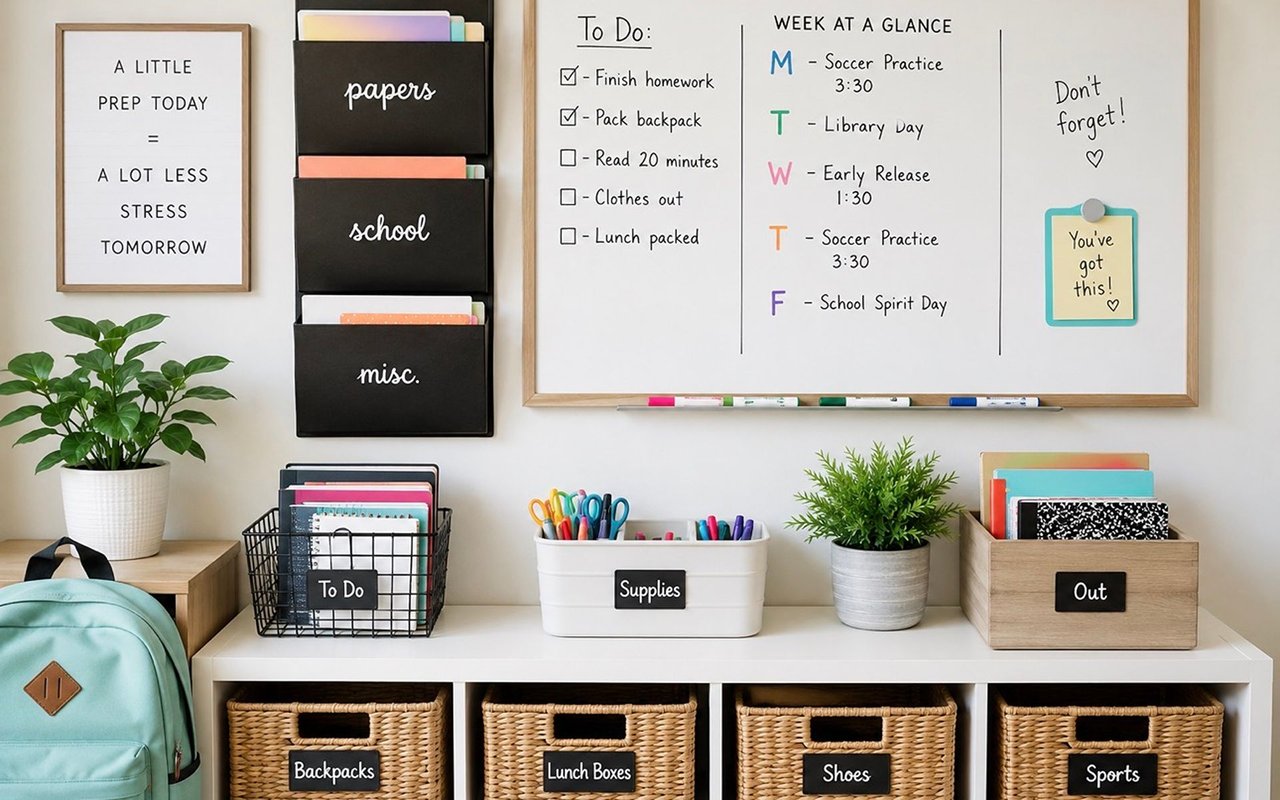
These simple home organization hacks can help create a calmer, more functional home.

Looking for something fun to do around Memphis this weekend?

Here are some of the eco-friendly features buyers are noticing.

You don't need a complete renovation to make your home stand out.

Buying a home is one of the biggest financial decisions you'll ever make.

When it comes to selling your home, first impressions matter.

Buying your first investment property is an exciting step toward building long-term wealth.

Buyers have more choices, sellers can still achieve strong results with the right strategy.

Stable prices help protect equity while creating a more sustainable market for future buyers.
We'd love to hear from you! Whether you're buying, selling, or just exploring your options, we're here to provide answers, insights, and the support you need. Contact us and start planning your next move.