Loft Living in Downtown Memphis: A Practical Guide
Downtown Memphis Kelly Day October 28, 2026
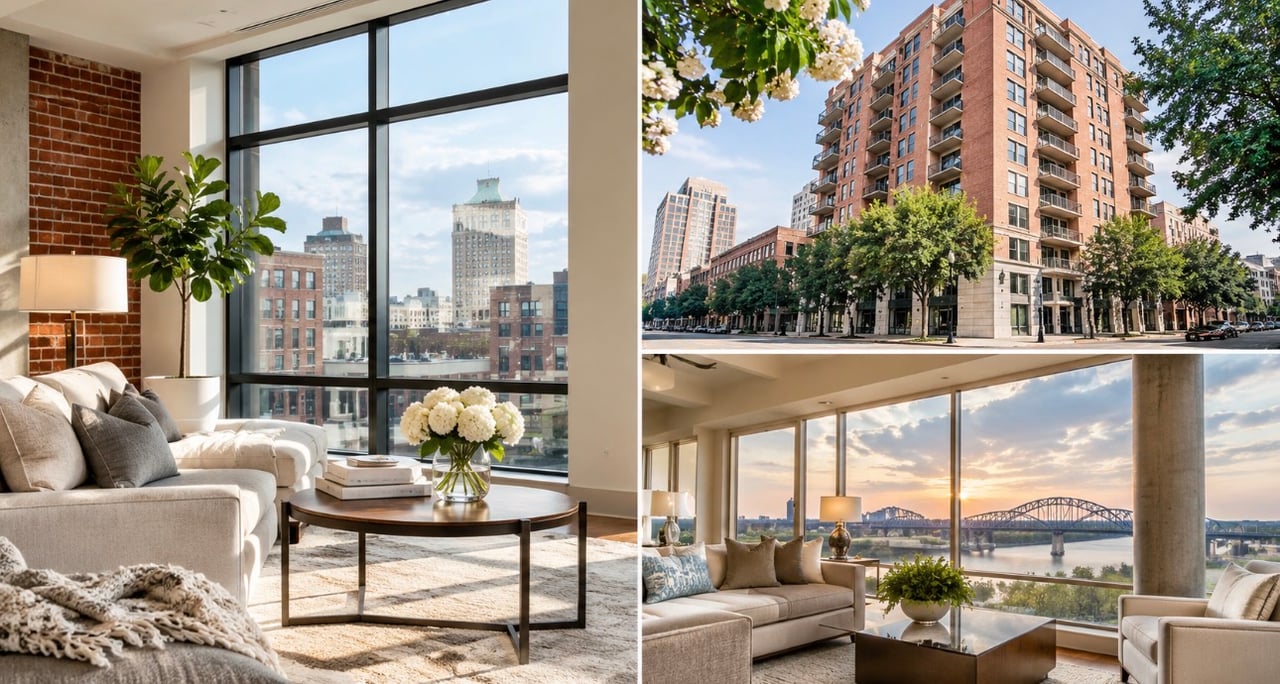
Some of the most distinctive homes in Downtown Memphis were never meant to be homes at all. Many of the brick buildings that line Front Street, South Main, and the blocks in between were built as cotton offices, warehouses, hotels, and storefronts during the city's railroad and river trading years. Today, a good number of them have been converted into lofts and condominiums. If you have ever walked down South Main and wondered what it would be like to live behind those tall windows, this guide covers what loft living in Downtown Memphis actually involves.
Converted buildings are spread across downtown, but a few areas have especially deep concentrations. The South Main Street Historic District, listed on the National Register of Historic Places in 1982, covers roughly 11 blocks of mostly commercial buildings dating from about 1900 to 1930. Many were built to serve rail travelers and businesses that shipped heavy goods by train, and the district's anchor is Memphis Central Station, the former Illinois Central depot that opened in 1916. The National Civil Rights Museum at the former Lorraine Motel sits at the district's edge.
Closer to the river, Front Street's Cotton Row area is where cotton factors once bought, graded, and sold bales. The narrow, deep buildings there have high ceilings and long open floors, which translate well into loft-style residences. Other conversions are scattered along Main Street, near the Pinch and Uptown to the north, and around the Edge District on the eastern side of downtown.
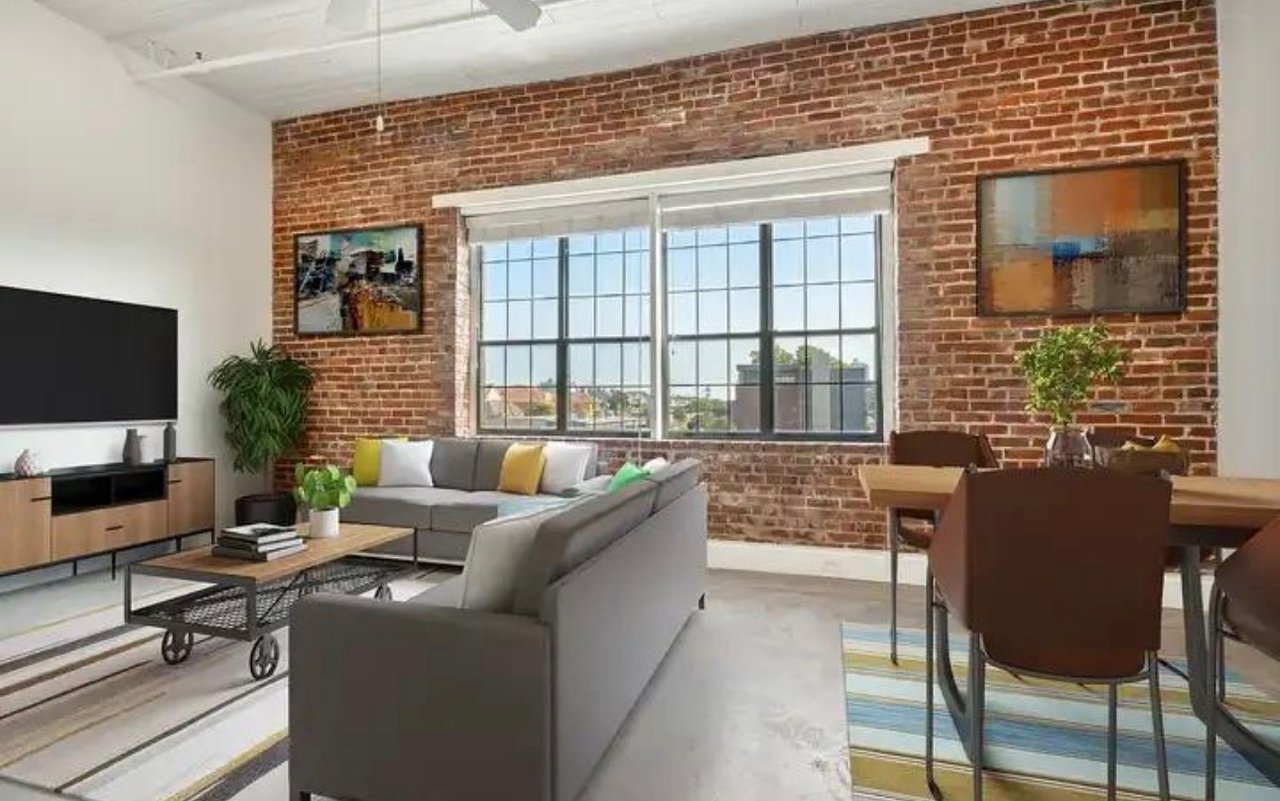
True warehouse conversions tend to share a few features. Expect exposed brick, heavy timber or concrete structural columns, tall ceilings, and oversized windows that were originally designed to bring daylight into work spaces. Floors are often original hardwood or polished concrete. Layouts are usually open, with bedrooms partitioned off or set on a mezzanine level.
Every building is a little different, though. Some conversions kept as much original character as possible, while others were taken down to the structure and rebuilt with more conventional finishes. Unit sizes vary widely, from compact studios to multi-level units that take up a full floor. Because the original buildings were not designed for residential use, two units in the same building can have very different light, views, and layouts.
Living in a century-old building is part of the appeal, but it also brings questions worth asking before you buy:
Nearly all downtown loft units are condominiums, so the homeowners association matters as much as the unit itself. Before you commit, review the budget, reserve fund, recent meeting minutes, and any planned or past special assessments. Older buildings may face periodic projects such as masonry repair, roof replacement, or elevator modernization, and you want to know how the association is preparing for them.
Financing can also depend on the building. Some loan programs require that a condominium project meet certain approval standards, such as owner-occupancy ratios or reserve levels. Talking with a lender early, and confirming the building's status, can save time once you find a unit you love. It is also smart to ask about rental policies, pet rules, and any restrictions on renovations inside units.
Much of the appeal of a Downtown Memphis loft is what is right outside the door. From South Main, you can walk to the restaurants and galleries along the corridor, the National Civil Rights Museum, and Central Station, which is also a stop on Amtrak's City of New Orleans route. The Main Street trolley line connects the length of downtown, and the riverfront parks and the Big River Crossing are close by. Beale Street, FedExForum, and AutoZone Park are within an easy walk of much of the area.
Downtown property in Memphis is subject to both City of Memphis and Shelby County property taxes, and public schools are part of Memphis-Shelby County Schools. As with any home purchase, confirm the specific school assignment and tax details for the exact address you are considering.
If you are drawn to the character of a Downtown Memphis loft and want help comparing buildings, reading through association documents, or simply touring a few to see what feels right, I would be happy to help whenever you are ready. No pressure at all; just reach out with any questions.
Kelly Day, SRES, SRS, AHWD, PSA, RENE
Multi Million Dollar Club
Broker Lic # 365811
simpliHOM
901-289-9227
855-856-9466
[email protected]
https://memphishouselistings.com
Arlington
Rossville
Downtown Memphis

Collierville
Germantown
Lakeland
Piperton
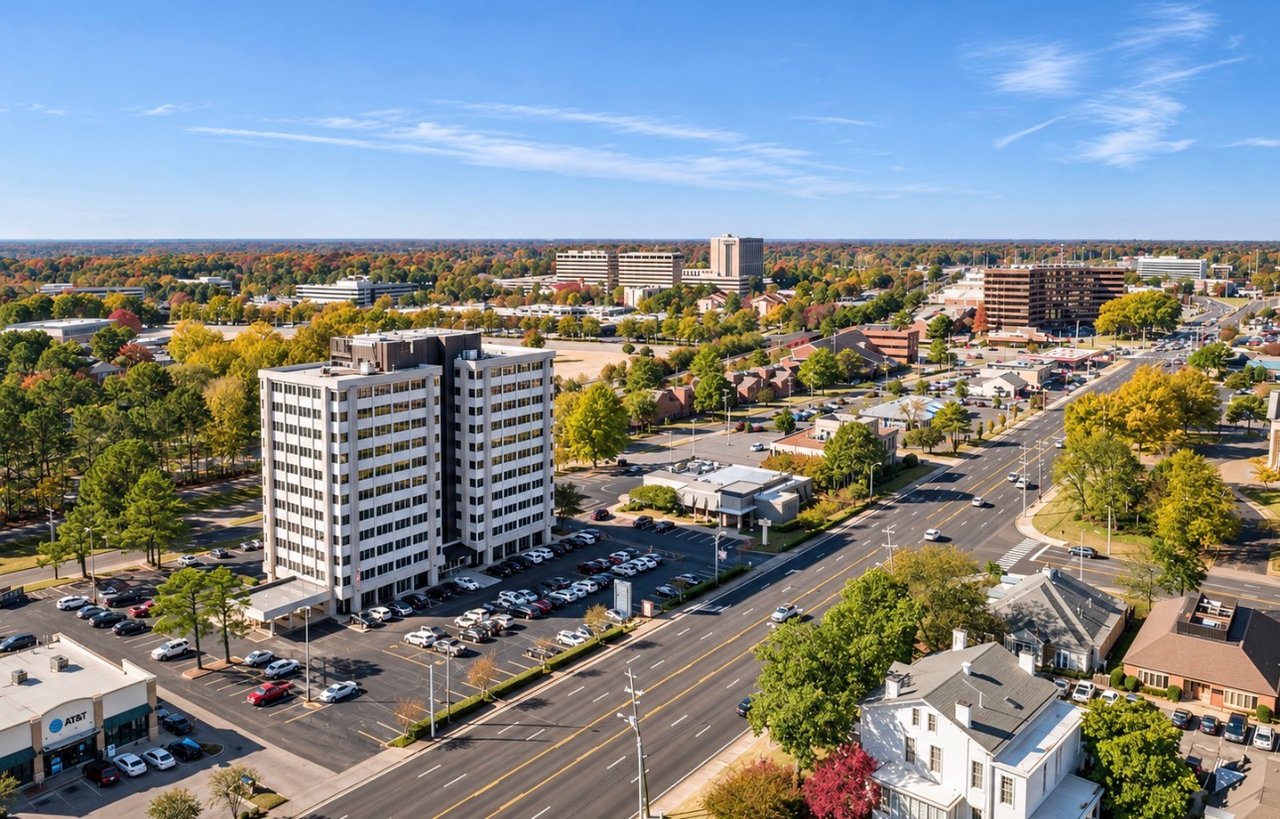
East Memphis
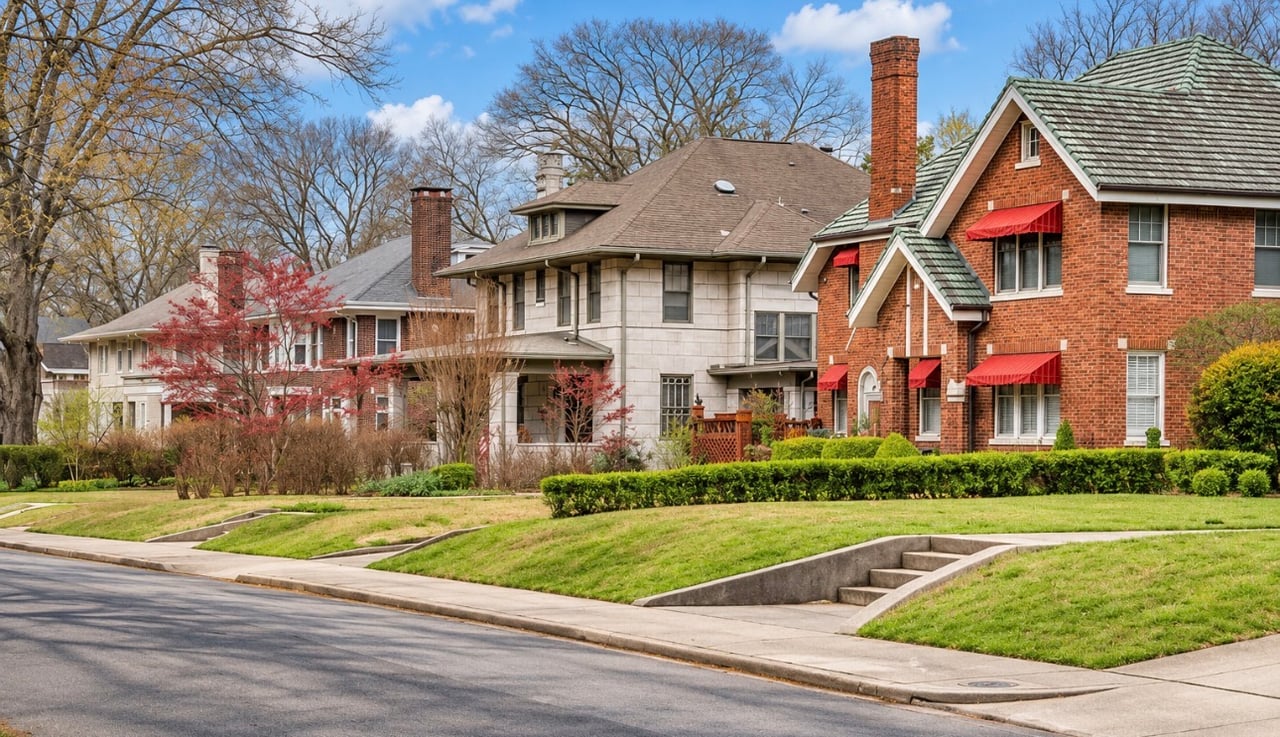
Midtown Memphis
We'd love to hear from you! Whether you're buying, selling, or just exploring your options, we're here to provide answers, insights, and the support you need. Contact us and start planning your next move.