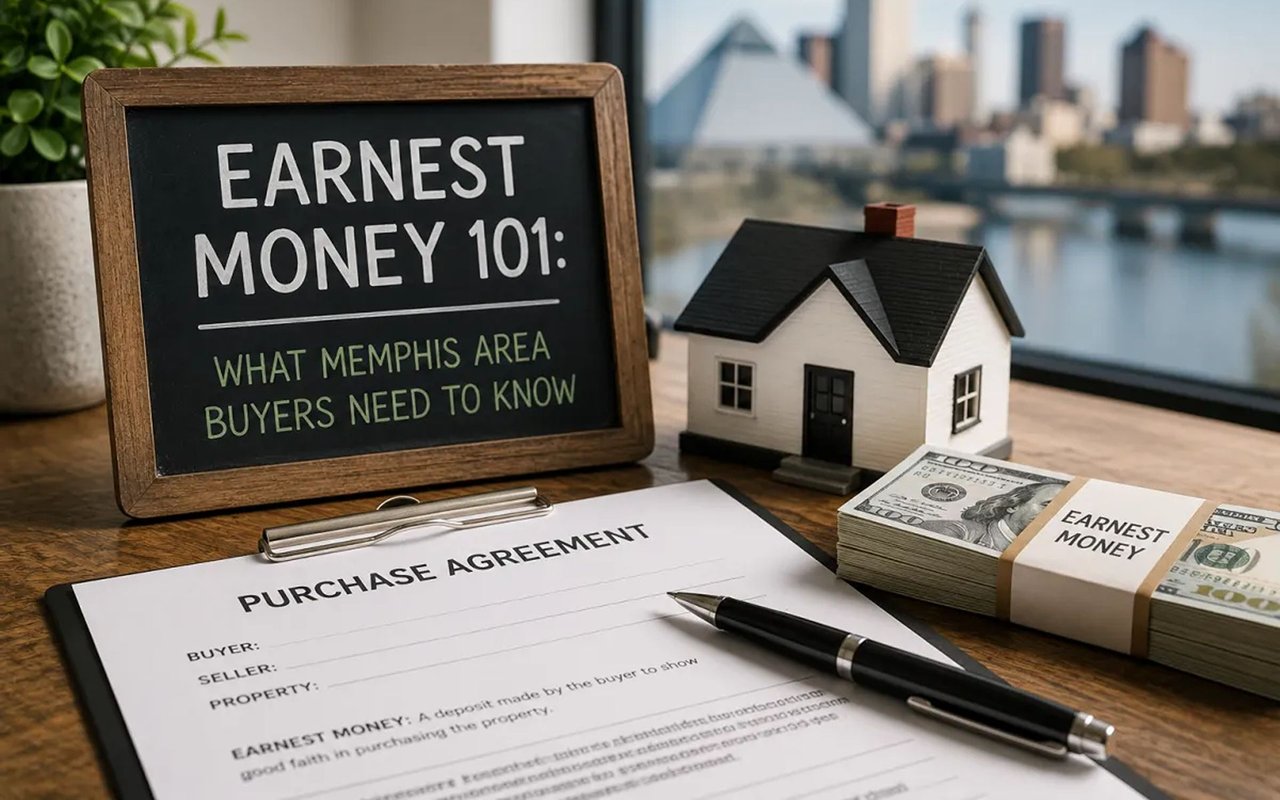
Earnest Money 101: What Memphis-Area Buyers Need to Know
Kelly Day July 10, 2026
Kelly Day July 10, 2026
Earnest money is a deposit you put down when your offer is accepted, showing the seller you're serious about following through on the purchase. It's not an extra cost on top of your down payment — it becomes part of the funds you bring to closing.
Think of it as good-faith money that gets credited back to you at closing, applied toward your down payment and closing costs, as long as the deal moves forward as agreed.
In the Memphis area, earnest money deposits typically run 1% to 2% of the purchase price, though this can shift depending on how competitive the market is and how strong you want your offer to look.
In a multiple-offer situation, a larger earnest money deposit can signal to the seller that you're a serious, well-qualified buyer, sometimes helping your offer stand out even if it's not the highest one.
Tennessee contracts typically use the term earnest money, while Mississippi contracts often use due diligence money paired with earnest money, which can work slightly differently depending on the specific agreement.
I always walk my clients through exactly how their specific contract structures this, since the terminology and mechanics can vary even within the same transaction if you're buying near the state line.
Your earnest money doesn't go directly to the seller. It's held by a neutral third party, usually a title company or escrow agent, until closing or until the contract is terminated according to its terms.
This protects both buyer and seller by keeping the funds out of either party's hands until the transaction is resolved one way or another.
If you back out of the deal for a reason covered by your contract's contingencies, like a failed inspection, financing falling through, or an issue with the appraisal, your earnest money is typically returned to you.
Timing matters here. Most contingencies have specific deadlines, so meeting those windows is essential to protecting your right to a refund.
If you walk away from the deal for a reason not covered by your contract, such as simply changing your mind after all contingencies have passed, the seller may be entitled to keep your earnest money as compensation for taking the home off the market.
This is exactly why understanding your contract's contingency deadlines before you sign is so important.
Your inspection and financing contingency periods work directly with your earnest money protections. As long as you act within those windows and document your reasons properly, you're generally protected.
I keep a close eye on these deadlines for every client so nothing slips through the cracks during a busy transaction.
Read your contract's contingency deadlines carefully, communicate any concerns to your agent quickly, and get everything in writing if you need to terminate the contract for a covered reason. Working with an experienced local agent makes this process far less stressful.
Thinking about your next move in the Memphis area? Whether you're buying, selling, or just exploring your options, I'd love to help you navigate it with confidence. Reach out any time — I'm always happy to talk through what makes sense for your situation.
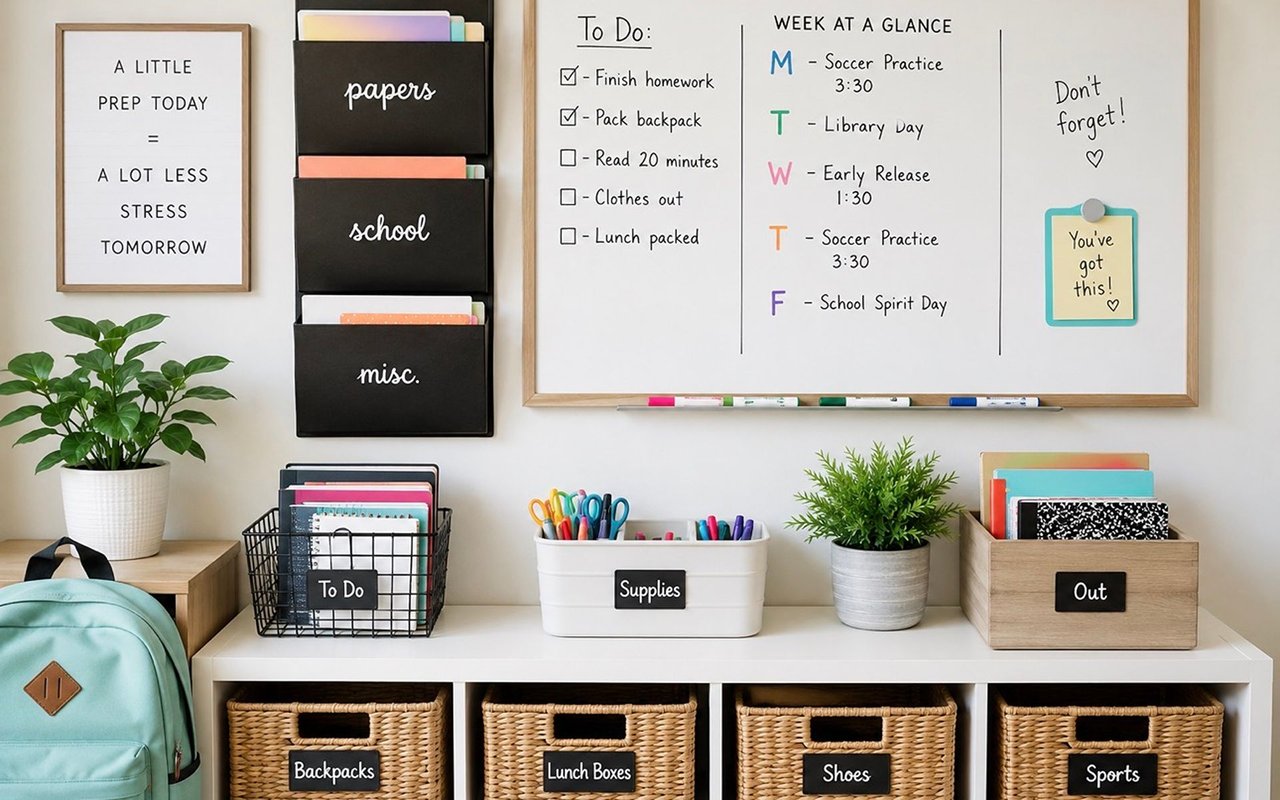
These simple home organization hacks can help create a calmer, more functional home.
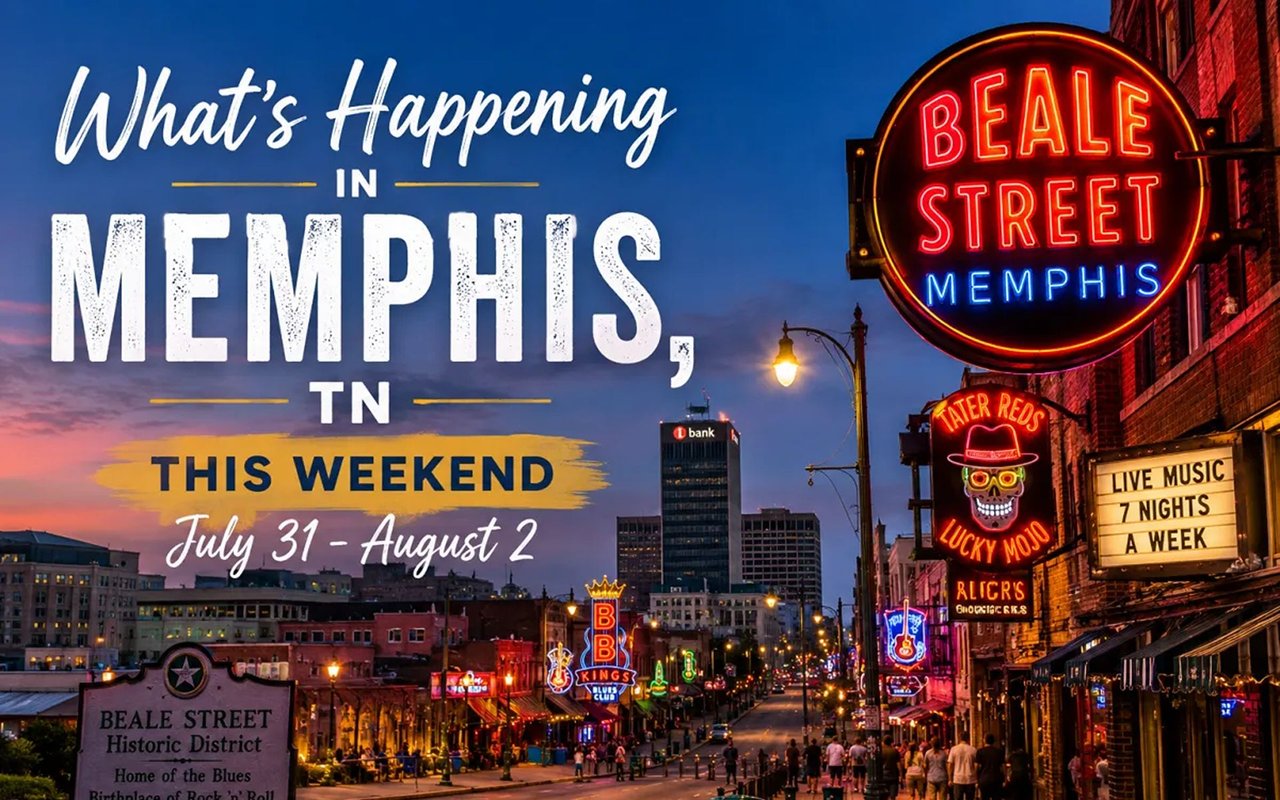
Looking for something fun to do around Memphis this weekend?

Here are some of the eco-friendly features buyers are noticing.

You don't need a complete renovation to make your home stand out.

Buying a home is one of the biggest financial decisions you'll ever make.
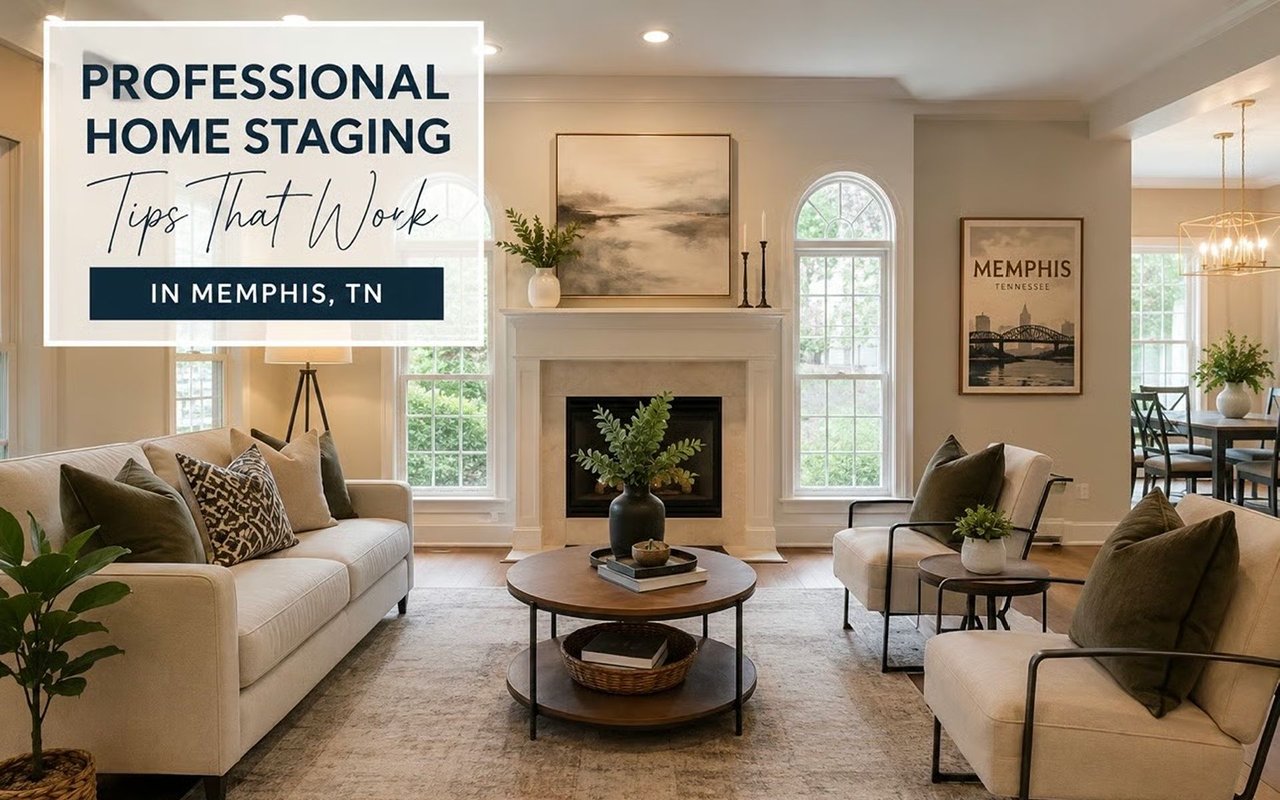
When it comes to selling your home, first impressions matter.
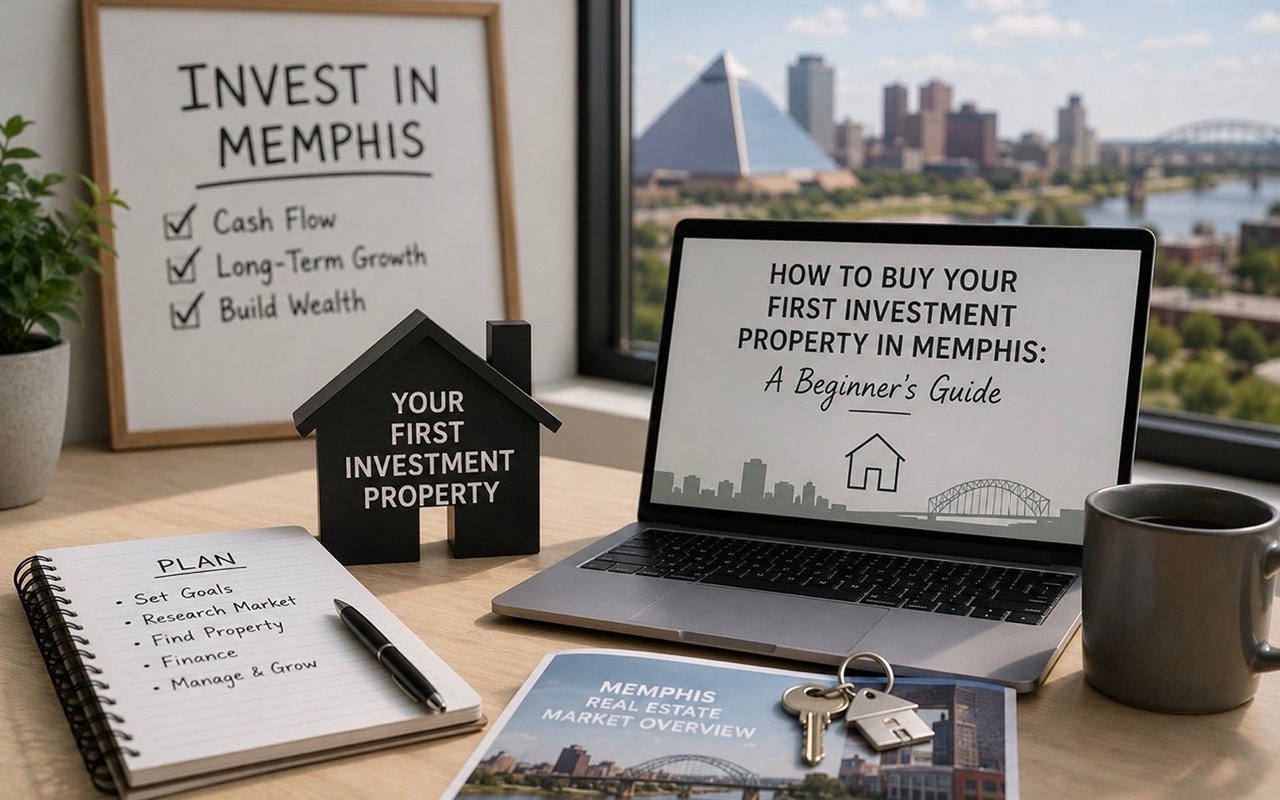
Buying your first investment property is an exciting step toward building long-term wealth.
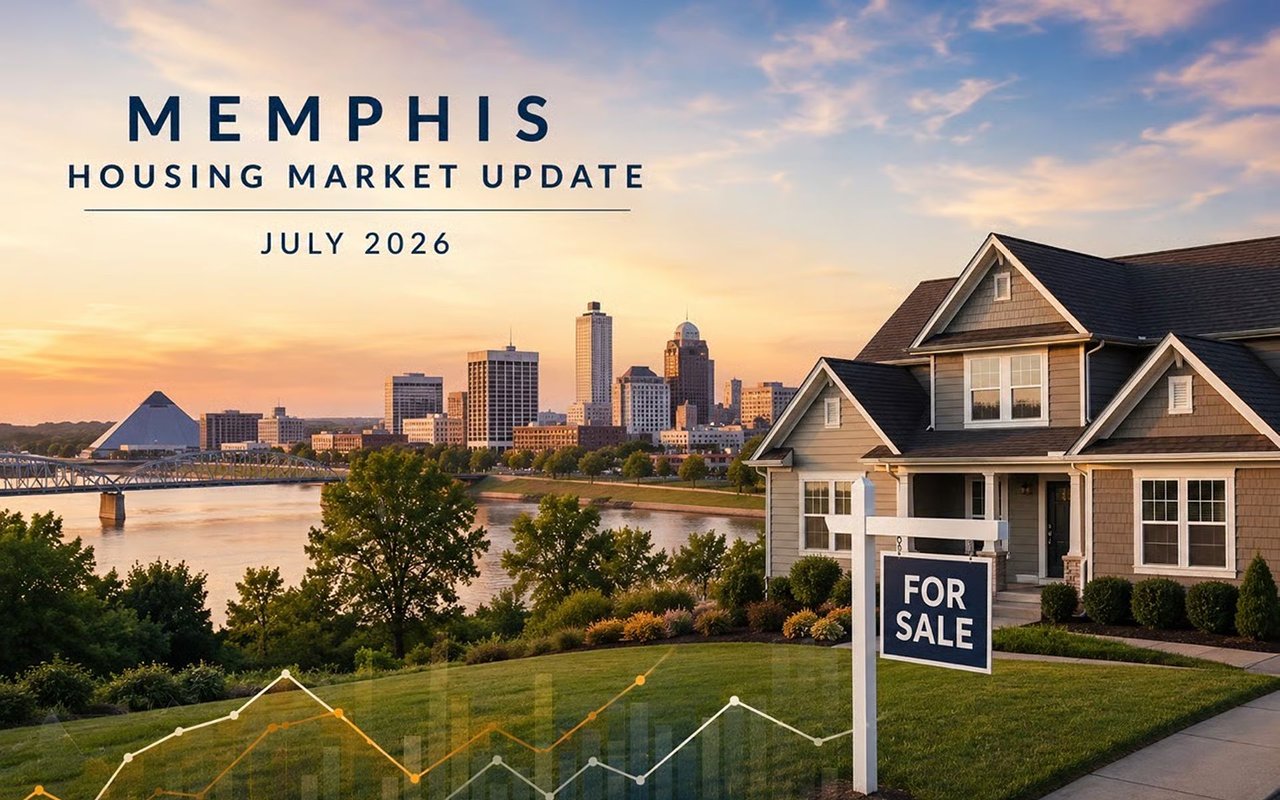
Buyers have more choices, sellers can still achieve strong results with the right strategy.
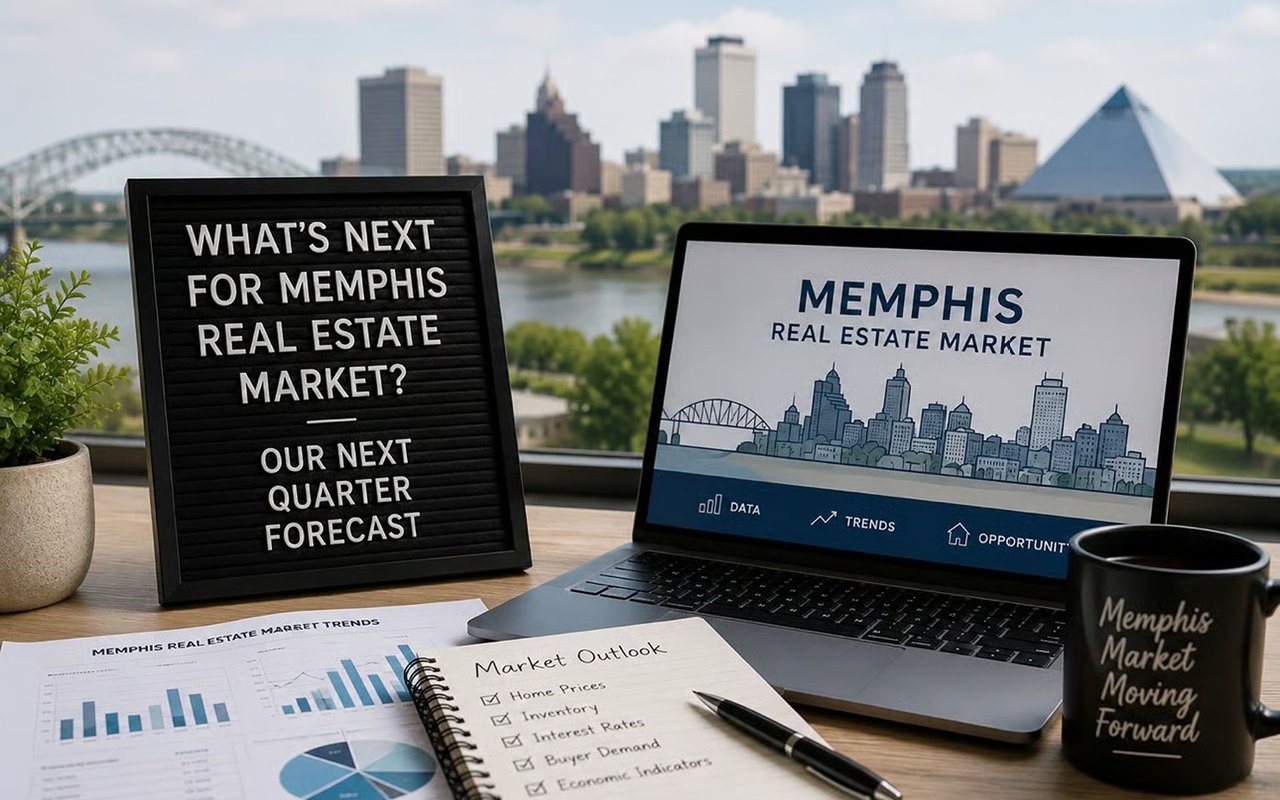
Stable prices help protect equity while creating a more sustainable market for future buyers.
We'd love to hear from you! Whether you're buying, selling, or just exploring your options, we're here to provide answers, insights, and the support you need. Contact us and start planning your next move.