Annesdale Park in Midtown Memphis: A History Spotlight
Midtown Memphis Kelly Day October 19, 2026
Tucked between Bellevue Boulevard and Cleveland Street in Midtown Memphis, Annesdale Park is a small historic neighborhood with a big story. It launched in 1903 with a parade, a brass band and one very large watermelon, and more than a century later its tree-lined streets and early 1900s homes are still drawing people who love older houses. Here is a closer look at the history, the homes and what to keep in mind if you are thinking about buying in Annesdale Park.
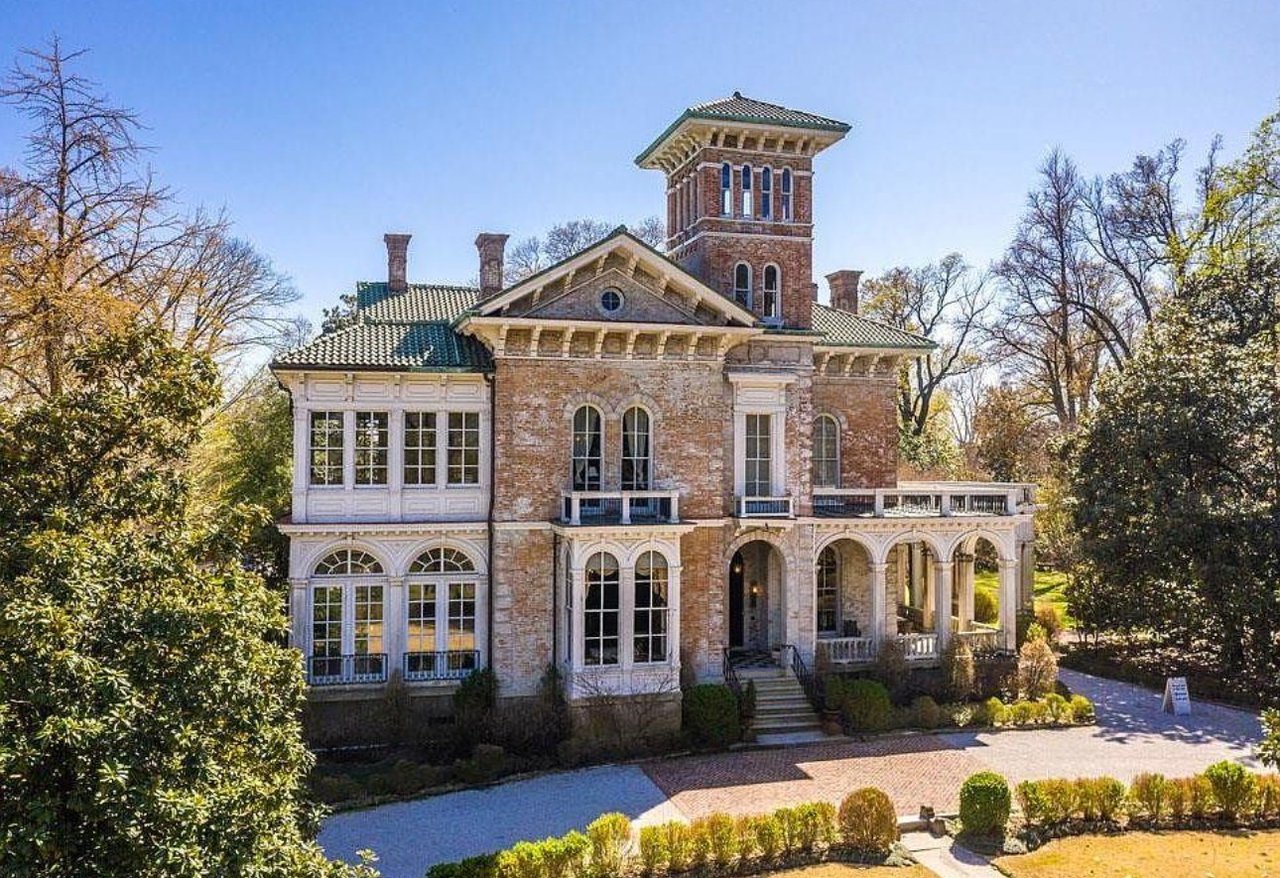
Annesdale Park was developed in 1903 by R. Brinkley Snowden and T.O. Vinton. It took its name from Annesdale, the nearby Snowden family estate, which was named for Snowden's mother, Annie Overton Brinkley Snowden. The Italianate Annesdale mansion itself dates to 1850.
According to Storyboard Memphis, the developers paid for the streets and other improvements and then deeded them to the city, which was unusual at the time. They promoted the neighborhood as "The First Subdivision of the South," a phrase that still appears on deeds there today.
The launch was memorable. A 50-foot sign showing a watermelon and a knife announced the event, and on October 14, 1903, the mayor cut a giant melon to kick off lot sales, following a luncheon at the Peabody Hotel and a parade of watermelon wagons led by a brass band.
Memphis Heritage describes the Annesdale Park Historic District as roughly bounded by Bellevue Boulevard, Cleveland Street, Lamar Avenue and Peabody Avenue. The district was listed on the National Register of Historic Places on December 22, 1978, with a period of significance from 1900 to 1924. Vinton Avenue runs through the neighborhood.
Nearby landmarks include St. John's Methodist Church at Peabody and Bellevue, which dates to 1908. The neighborhood sits just west of Central Gardens and a short drive from Overton Square, Cooper-Young and the Medical District, mostly within the 38104 zip code.
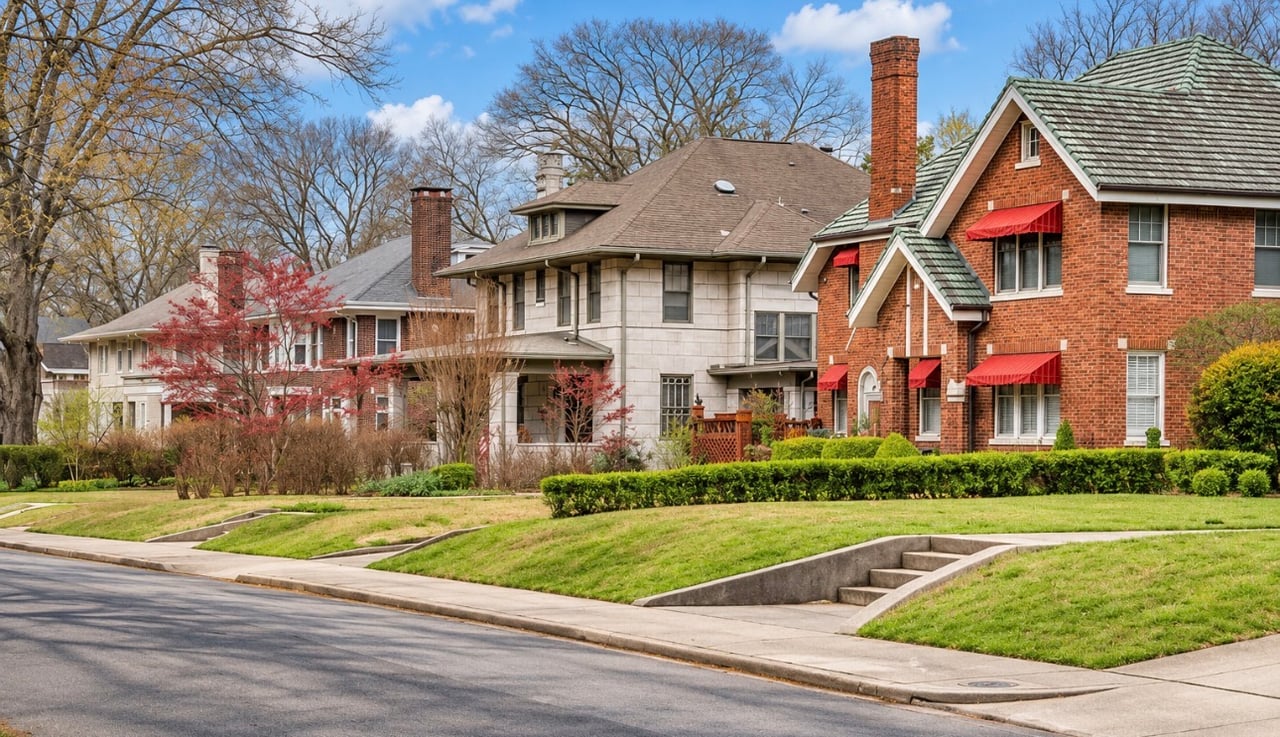
Most homes in Annesdale Park were built between 1904 and 1910, with building continuing into the mid-1920s. The National Register lists Bungalow/Craftsman and Late Victorian as the main architectural styles. Walking the streets, you will notice:
Like many inner-city neighborhoods, Annesdale Park went through a period of decline after World War II, when many large homes were divided into apartments or converted to other uses. Beginning in the late 1960s and 1970s, people started restoring houses, and the Annesdale Park Neighborhood Association formed in 1976. Today you will see a mix of carefully restored single-family homes and houses that still show signs of their multi-unit past.
Buying a century-old home is a little different from buying newer construction. A few things to look at closely:
It also helps to spend time in the neighborhood before you commit. Walk the blocks at different times of day, notice how parking works on each street and look at how neighboring homes have been maintained or restored. Those small observations can tell you a lot about what owning a home there will feel like.
A thorough inspection and a realistic budget for the first few years of ownership go a long way toward making an older home feel like a good decision rather than a surprise.
Annesdale Park is only a few blocks across, but it carries one of the more colorful founding stories in Memphis. If you love porches, tall ceilings and a sense of history, it is worth a slow walk down Vinton or Peabody on a fall afternoon.
If you have questions about Annesdale Park or other historic neighborhoods in Midtown, I would be glad to help. Reach out anytime, with no pressure at all.
Kelly Day, SRES, SRS, AHWD, PSA, RENE
Multi Million Dollar Club
Broker Lic # 365811
simpliHOM
901-289-9227
855-856-9466
[email protected]
https://memphishouselistings.com
Arlington
Rossville
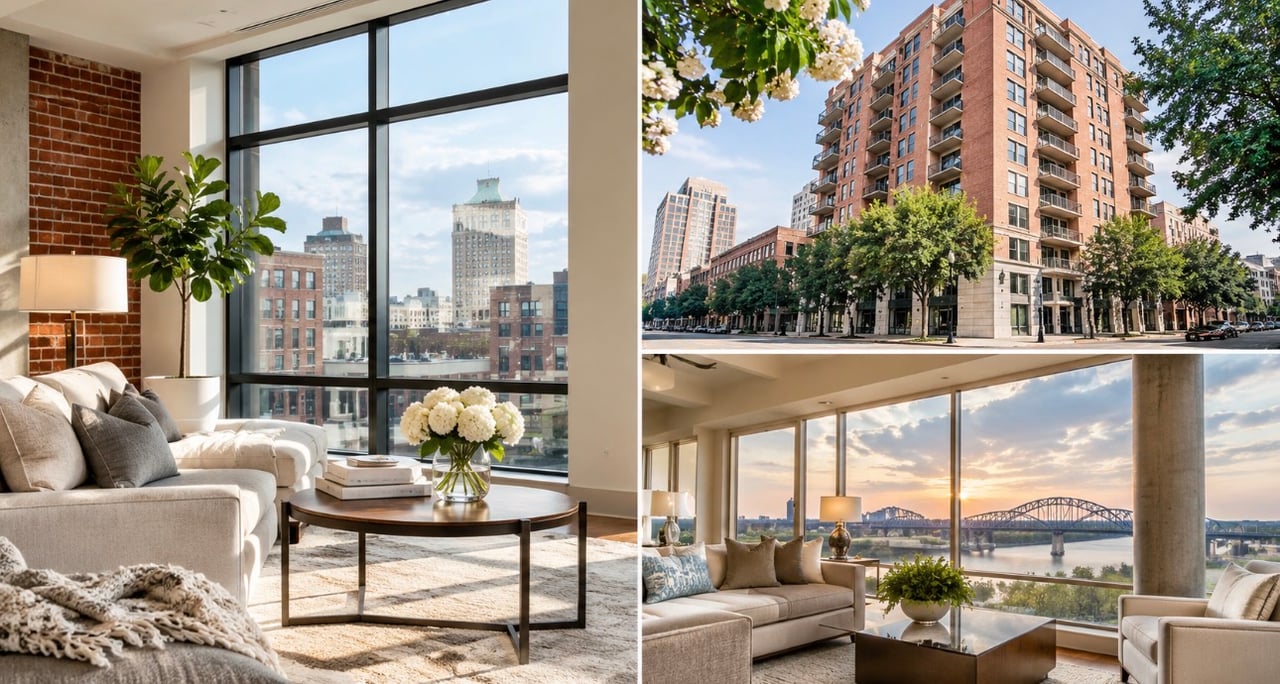
Downtown Memphis
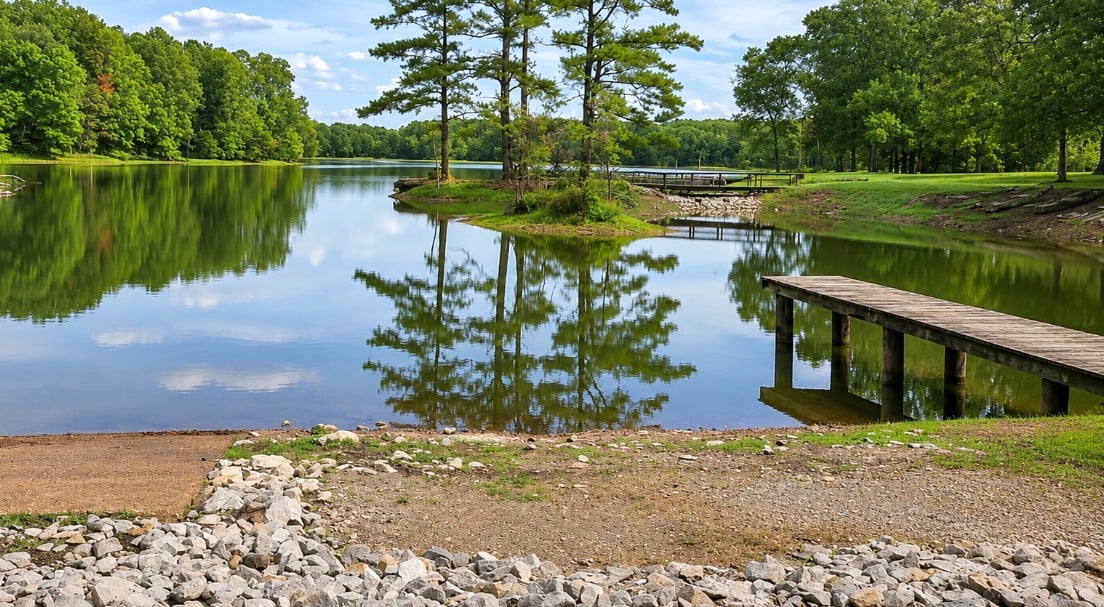
Collierville
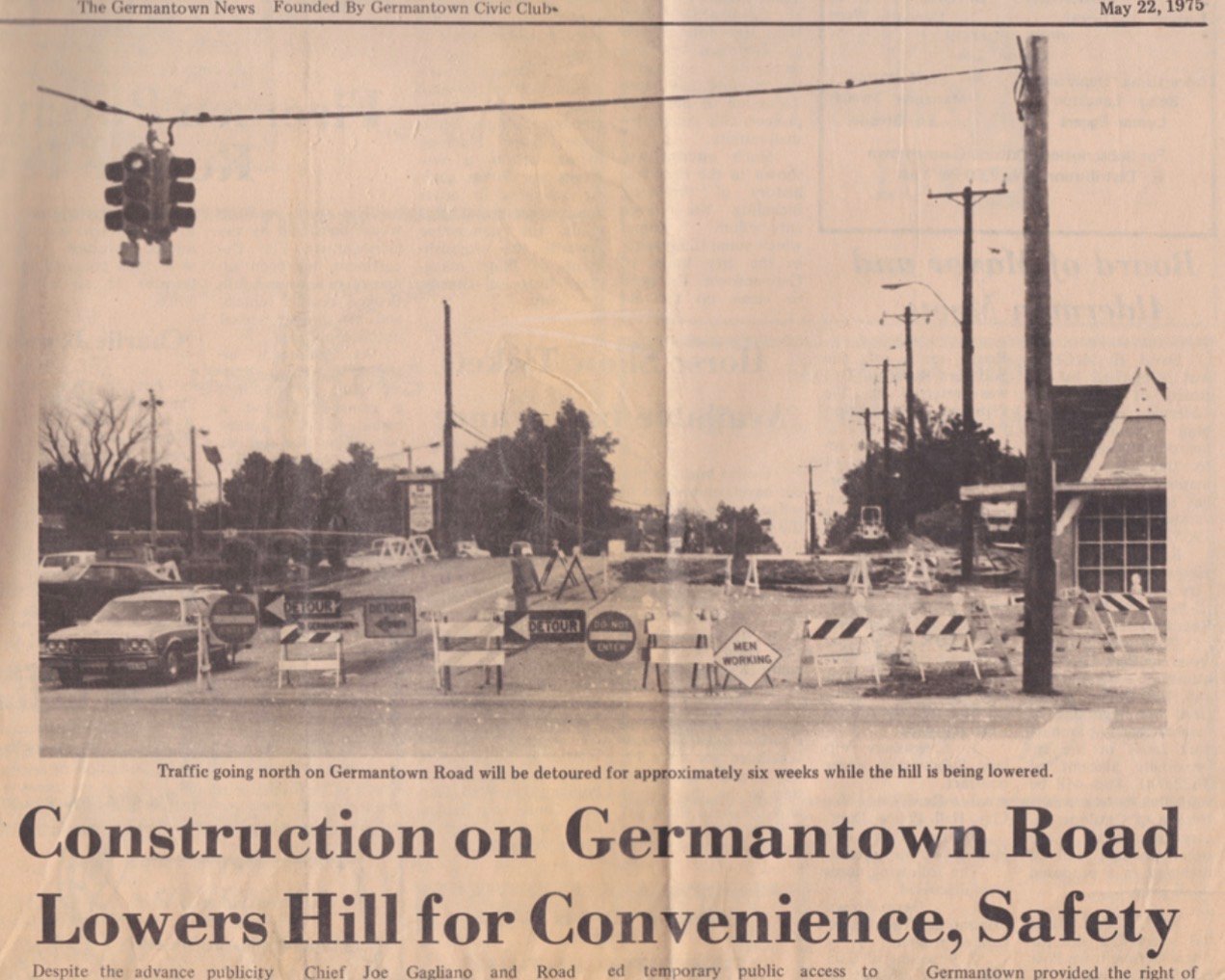
Germantown
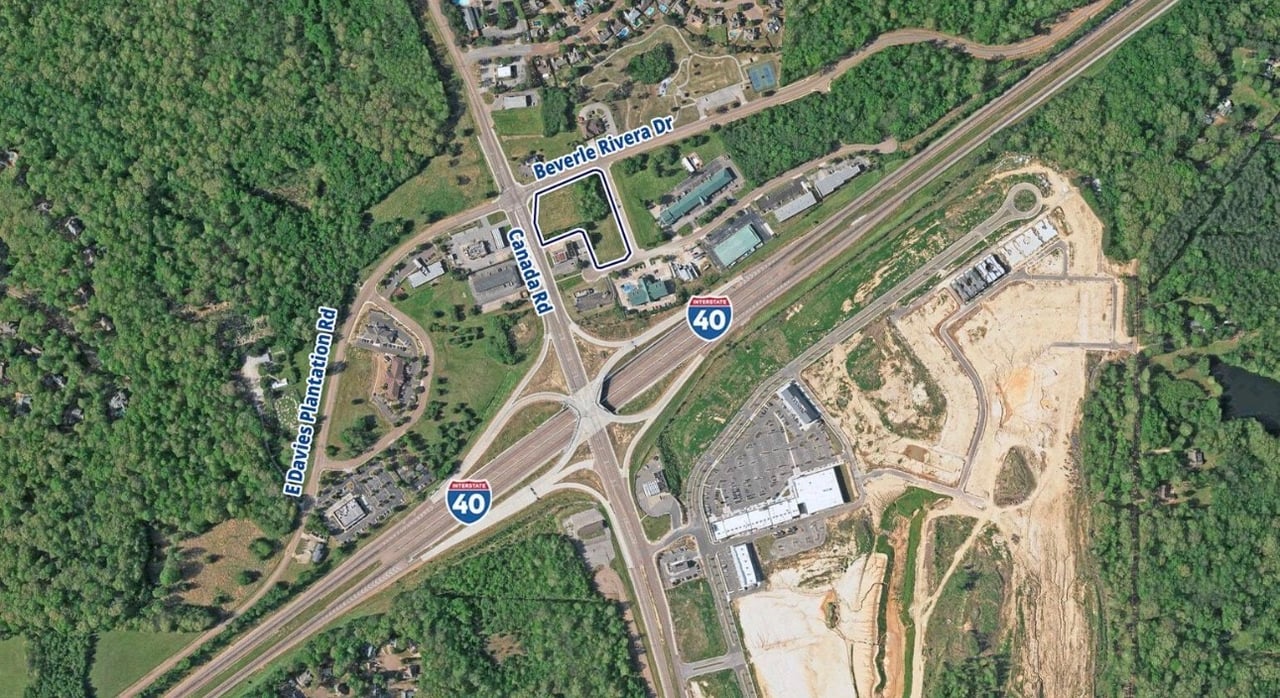
Lakeland
Piperton
East Memphis
Midtown Memphis
We'd love to hear from you! Whether you're buying, selling, or just exploring your options, we're here to provide answers, insights, and the support you need. Contact us and start planning your next move.